Disclosure: This post contains affiliate links. If you purchase through these links, I may earn a small commission at no extra cost to you.
Images used in this post are for illustrative purposes only and do not represent the exact products mentioned.
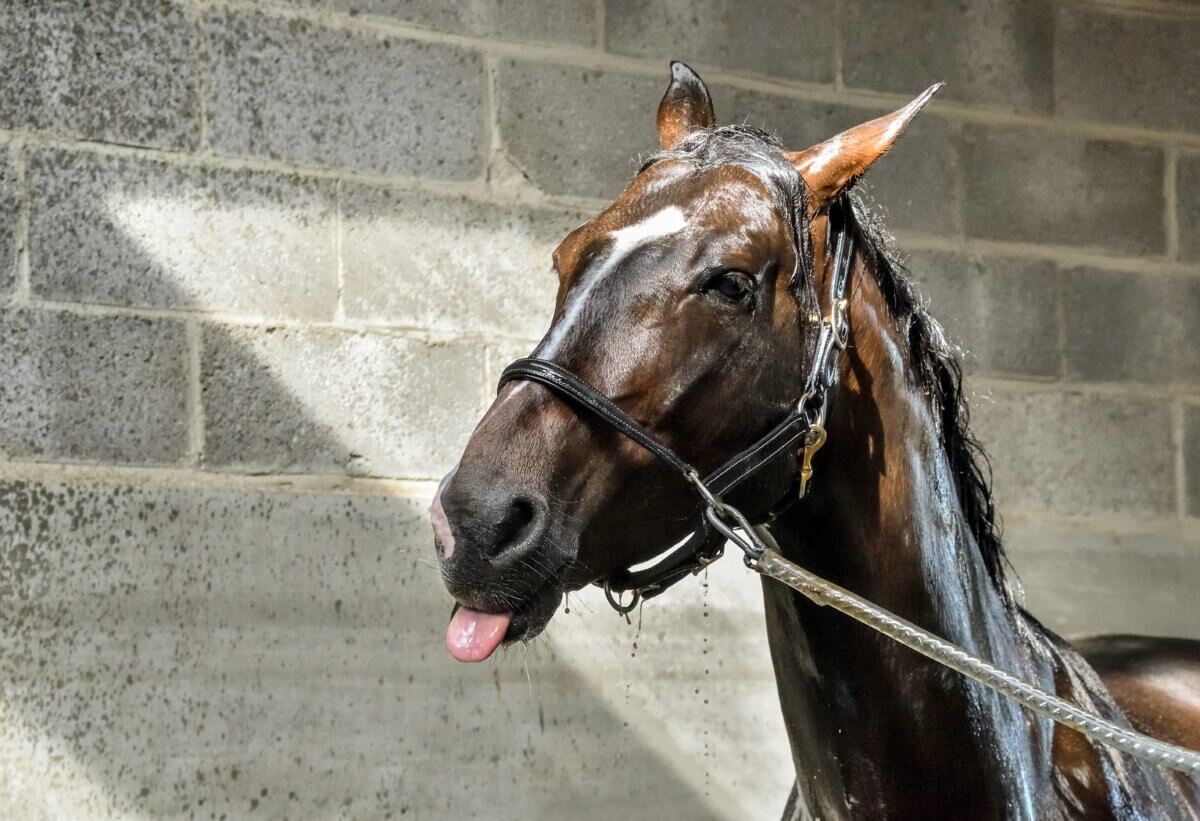
Horse bathing is one of the best non-riding summer activities you can do with your horse. In the summer heat, it will be refreshing for both of you. Here’s a full guide on how to do it safely and make it an experience your horse might actually enjoy.
Why Should You Bathe Your Horse?
Let’s start with the basics. Horses sweat a lot. After a hard workout, a trail ride, or just a sweaty summer day hanging out in the paddock, that salt and grime build up on their coat. Regular bathing keeps their skin healthy, prevents irritation, removes dirt that can hide skin conditions, and makes your horse feel good.
Beyond hygiene, a clean horse is a happy horse before shows, photo shoots, or any event where your horse needs to look their absolute best. A proper horse bath also gives you a chance to look at your horse’s body, check for any cuts, skin issues, or lumps you might miss during a quick grooming session.
When Should You Bathe Your Horse?
Timing matters more than most people think. The ideal conditions for a horse bath are:
Warm, sunny days: Your horse needs to dry off properly after a bath, so bathing on a warm, sunny day is ideal. Think 25°C (77°F) and above as a comfortable baseline.
After a workout: Post-exercise is one of the best times. Your horse is already warm, the muscles are loose, and washing away sweat right after exercise helps prevent skin irritation and coat damage.
Side note: Skip the back area right after a workout. That’s where your horse’s lungs sit, and running cold water over a hot, sweaty back can easily lead to a chill. Best to either wait until the saddle area has dried off naturally before hosing it down, or just skip it altogether for that session.
Before shows or events: A good bath 24 to 48 hours before a competition gives the coat time to settle and show off that natural shine.
When they’re visibly dirty: Sometimes a horse just rolls in the muddiest corner of the field and needs a wash.
When Should You NOT Bathe Your Horse?
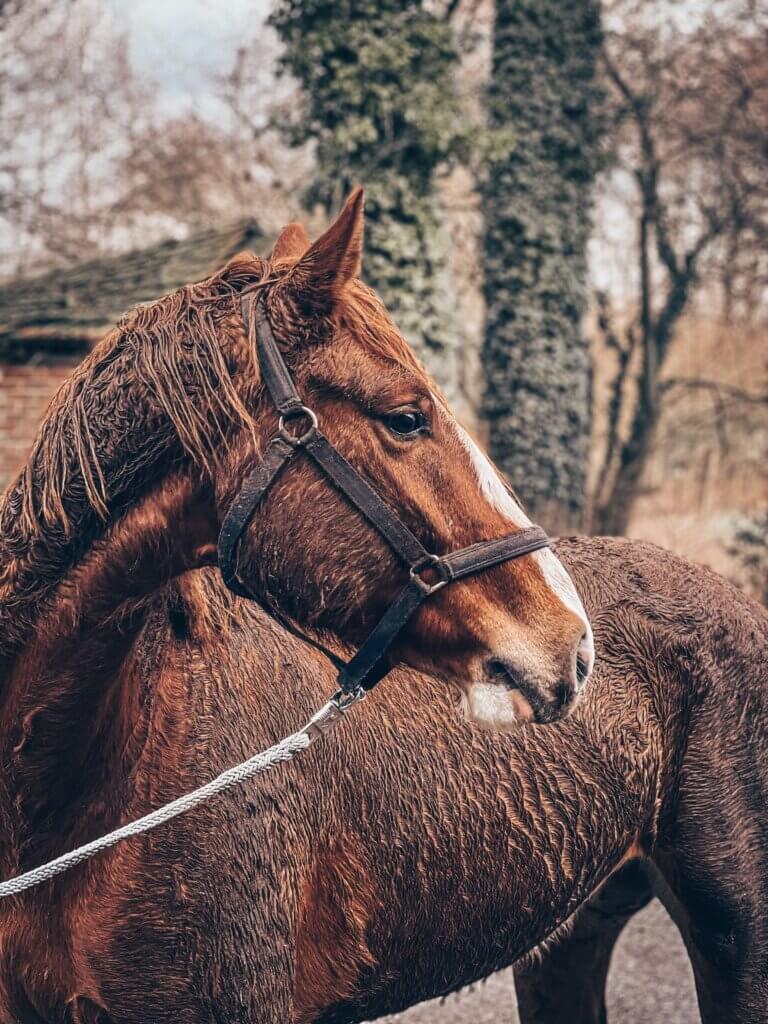
This is important; there are times when bathing a horse is genuinely risky and should be avoided.
Cold weather: Never bathe a horse when temperatures are below 15°C (60°F) unless you have warm water and a proper drying setup (like heat lamps or a warm stable). A wet horse in cold weather can lose body temperature dangerously fast and get sick.
Right before turnout in cold conditions: Even if it’s warm enough to bathe, don’t turn a wet horse out into cold wind. They need to be mostly dry first.
When the horse is hot and overheated: If a horse is extremely overheated after intense exercise, dousing them with cold water can cause muscle cramping. Cool them down gradually first with walking, then bathe.
When the horse is unwell: A sick or stressed horse doesn’t need the extra physical stress of a bath. Wait until they’re back to normal.
How Often Should You Bathe Your Horse?
There’s no one-size-fits-all answer, but a good general rule is: bathe your horse as often as needed, but not so often that it strips their natural coat oils.
For most horses in regular work, once every one to two weeks during summer is plenty. If your horse sweats heavily or lives in a hot, humid climate, you might bathe more frequently. In winter, limit full baths and opt for spot cleaning or dry grooming instead.
Over-bathing can strip the coat’s natural oils and lead to dry, flaky skin and a dull coat. So even if you love a sparkling clean horse, give their coat time to recover between washes.
What Horse Bathing Supplies Do You Need?
Having the right horse bathing supplies makes the whole process smoother and safer for both of you. Here’s what you’ll need:
1. A good horse shampoo
Human shampoo is a hard no, it’s too harsh for horses and will strip the coat of its natural oils over time. You want something pH-balanced and formulated specifically for equine skin. Here are a few solid options depending on what your horse actually needs:
Argan Oil Shampoo: If you want one shampoo that just does the job and smells incredible while doing it, this is it. Reviewers consistently rave about the scent, one described it as “the best smelling shampoo I’ve ever smelled, human or horse.” It lathers well, leaves a lovely shine, and the argan oil helps with dry or damaged coats. Fortified with nano vitamins A, C, E, and F. A reliable everyday choice.
Whitening Shampoo: If you have a grey, white, or light-coloured horse, this one’s worth keeping in the stable. No bleach, no peroxides, just optical brighteners and coconut-based cleaning agents that actually work. Reviewers switching from bigger brands were genuinely surprised by the difference, with one noting their horse’s tail went noticeably whiter after just one wash.
Essential for removing excess water after the bath. Without one, your horse takes forever to dry. Reviewers note it’s gentler than the old-school hard plastic or metal versions, better for sensitive horses who aren’t fans of the whole bath situation to begin with. Works on all breeds and coat types.
3. A soft sponge or wash mitt
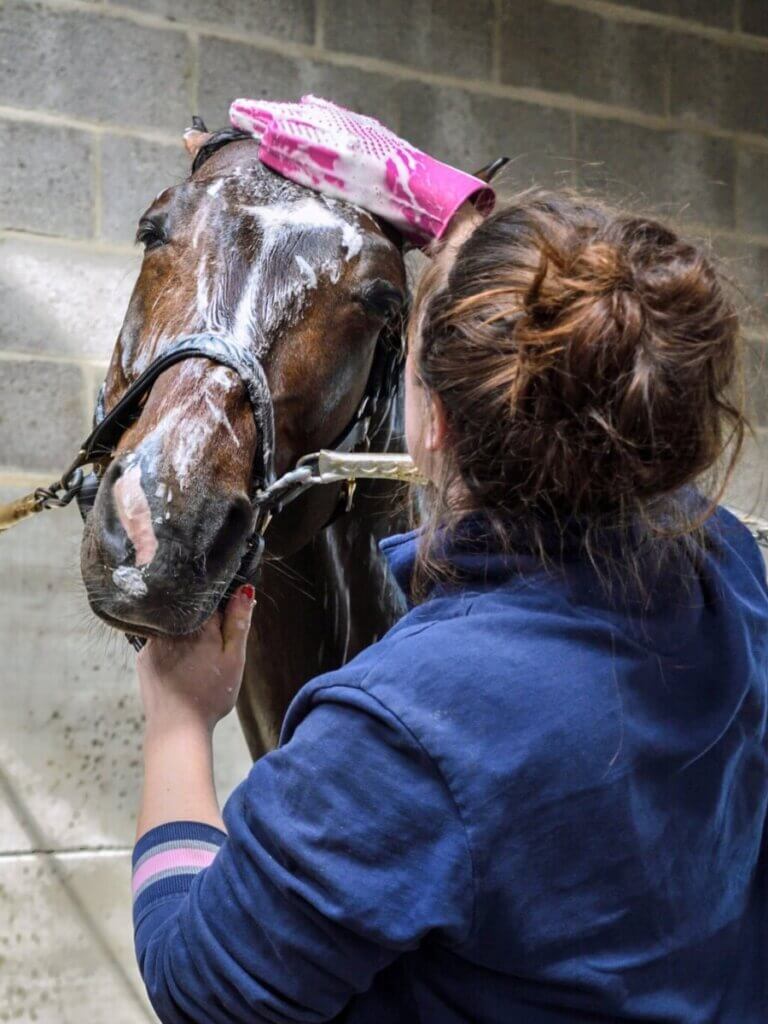
A sponge works fine, but if you want to upgrade, silicone wash gloves are a genuinely better option, especially for sensitive horses or tricky areas like the belly and legs. They lather up the shampoo well, keep your hands dry, and give a gentle scrubbing action that horses tend to actually enjoy. Think of it as a mini massage while you clean.
4. A hose with an adjustable nozzle
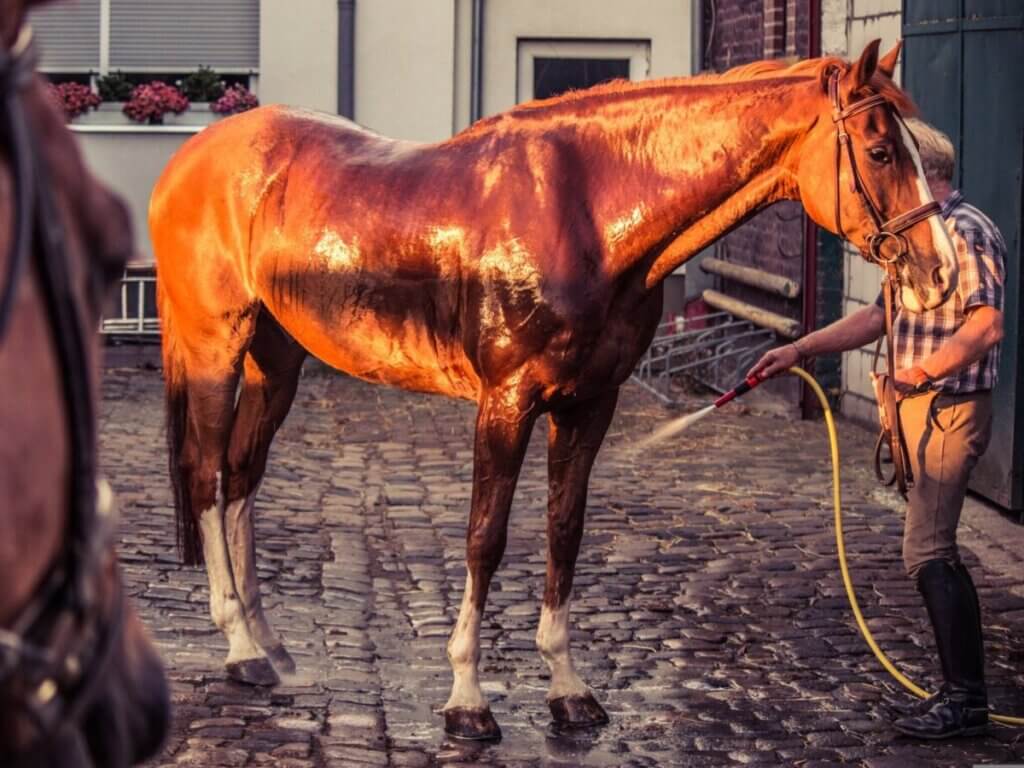
You don’t need a horse-specific hose attachment; this one does the job well, and the multiple pressure settings mean you can go gentle around the face and legs, then bump it up for a post-workout leg massage. The built-in soap dispenser is a nice bonus if you want to speed up the shampoo step.
5. A mane and tail conditioner
Reviewers describe switching from other brands and never going back, with tails staying tangle-free for days at a time and noticeably less breakage with regular brushing. It also contains citronella, which doubles as a mild fly repellent.
Pro tip: A treat or two for extra emotional support.
What to Watch Out for During a Horse Bath
Before you grab the hose, a few things to keep in mind:
Always tie your horse safely before bathing. Use a quick-release knot. A horse that gets spooked and pulls back while wet is a safety hazard for both of you. Make sure the area is non-slip.
Water temperature matters. Cold water in summer is fine and refreshing. The lukewarm water is always the best choice. But most stables don’t have that. Cold water is fine in the summer; just follow the horse bath guide.
Never spray water directly into the ears — horses hate this, and it can cause real discomfort and infection. Use a damp cloth to carefully clean around the ears instead.
Avoid getting shampoo in the eyes — use a damp sponge to gently wipe the face without shampoo if possible.
What If Your Horse Has Never Been Bathed Before?
First time bathing a horse that’s never experienced it? Take it slow. Rushing is a recipe for a stressed horse and a bad relationship with the horse.
Start by introducing the hose without water; just let them sniff it and get comfortable with the object. Then run water near their hooves and let them hear the sound. Gradually work up to gently wetting the lower legs. If they start to get tense, use the pressure and release method.
Be patient. Some horses need two or three sessions before they’re relaxed enough for a full bath. That’s completely normal.
Horses Who Don’t Like Bath Time
The same applies here. But if they hate it by nature. You can ask a professional to help with training. Or here’s a quick fix: keep them occupied. This is where a well-placed popsicle or treat holder comes in clutch. Stuff a treat ball or hold out a handful of hay while you work. Giving them something to focus on takes the edge off. Horses that fidget during baths are often just bored or anxious, and food is a genuinely effective distraction.
How to Bathe a Horse Step by Step
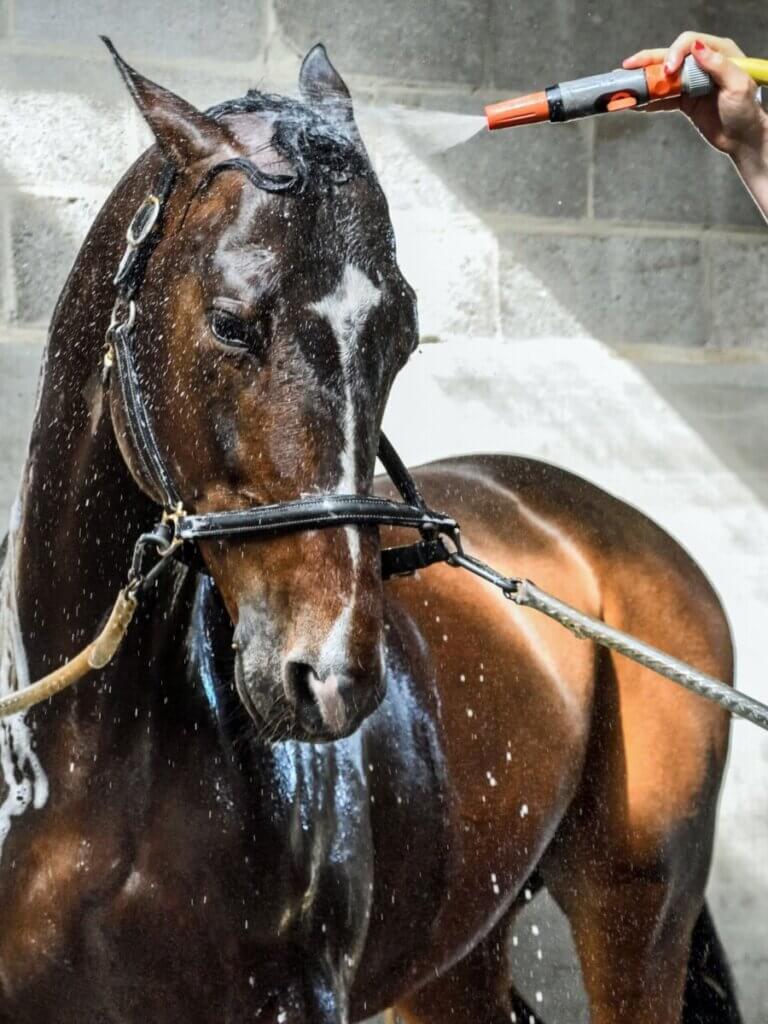
Okay, here’s the part you came for. Follow this order, and your horse will be clean, comfortable, and dry way faster.
Step 1: Tie Your Horse Safely
Before anything else, secure your horse. Use a quick-release knot on a sturdy tie ring, or set up proper cross-ties. Make sure the ground isn’t slippery. If your horse tends to be nervous, now’s the time to bring out that treat distraction.
Step 2: Start at the Hooves
Always start from the bottom up. Begin by wetting all four legs, starting at the hooves and working upward toward the knee. This gives your horse time to adjust to the temperature and sensation before you get to more sensitive areas. Horses can be surprised by water on their belly or back, so starting low is key.
Step 3: Move to the Hindquarters
Once all four legs are wet and your horse is relaxed, move to the hindquarters. Wet the haunches, rump, and under the tail. Apply shampoo and work it in gently with a sponge or your hands.
Step 4: The Neck and Shoulders
Work your way up the sides and neck next. The neck is generally a comfortable area for most horses, and they tend to relax here. Apply shampoo, lather well, and rinse thoroughly.
Step 5: The Back — Last and Carefully
Save the back for last. This is critical: your horse’s lungs sit just under the back and ribcage area. Getting the back wet with cold water before the horse is acclimated can cause your horse to tense up sharply, and in some cases, prolonged cold exposure to that area can contribute to respiratory issues, especially in cooler weather or with cold water. By washing the back last, the horse’s body is already warm and adjusted to the water, making it a much safer experience.
Lather up the back and barrel, rinse completely, and make sure no shampoo is left behind (residue irritates the skin).
Step 6: The Face
Use a soft, damp sponge, not a hose, directly on the face. (Except if your horse loves it.) Gently wipe around the eyes, nostrils, and muzzle. If needed, a tiny drop of shampoo on the sponge is fine, but rinse carefully and keep it away from the eyes and ears.
Step 7: Mane and Tail
Don’t skip the mane and tail. Apply a generous amount of horse shampoo and work it through with your fingers. Rinse until the water runs clear. Follow up with a detangler or conditioner, let it sit for a minute, and then rinse lightly (or leave it in if it’s a leave-in formula). This keeps the mane and tail silky, reduces breakage, and makes brushing out way easier afterward.
Step 8: Scrape and Dry
Use your sweat scraper to remove as much water as possible from the coat. Work in the direction of the hair growth. Then use your horse bathing towels to dry the legs, face, and ears. Walk your horse in the sun to help them dry off completely before turning them out or putting them in their stable.
Let’s Walk Off
Horse bathing doesn’t have to be a stressful chore when done right, it’s genuinely one of the nicest bonding moments you can have with your horse. Start slow, use the right horse bathing supplies, follow the bottom-to-top method, and always end with a good mane and tail treatment. Your horse will be gleaming, and you’ll probably be a little wet too. Worth it every time.

FAQs
Why do we bathe horses? Bathing removes sweat, dirt, and bacteria from a horse’s coat, keeping their skin healthy and preventing irritation. It also gives you a chance to inspect their body up close, and it makes them more comfortable, especially after hard work in the heat.
At what temperature is it safe to bathe a horse? A safe general guideline is to only give a full bath when the air temperature is at least 25°C (77°F). If you need to clean a horse in colder weather, use warm water, work quickly, and dry them thoroughly right away.
When should you not bathe a horse? Avoid bathing when it’s cold outside, when your horse is sick or stressed, when they’re extremely overheated right after intense exercise, or right before turnout in cold/windy conditions. These situations increase the risk of chilling, cramping, or respiratory stress.
How often should I bathe my horse? Every one to two weeks during the summer months is a reasonable routine for horses in regular work. Less is more in winter; stick to spot cleaning and dry grooming. Over-bathing strips natural oils from the coat and can cause dry, dull skin.
Do horses like being bathed? It depends on the horse! Some horses absolutely love it, they’ll lean into the hose like they’re at a spa. Others are more skeptical, especially the first few times. With patience, positive reinforcement, and a good treat distraction, most horses come around and at least tolerate it. Some even start to look forward to it on hot days.

Leave a Reply