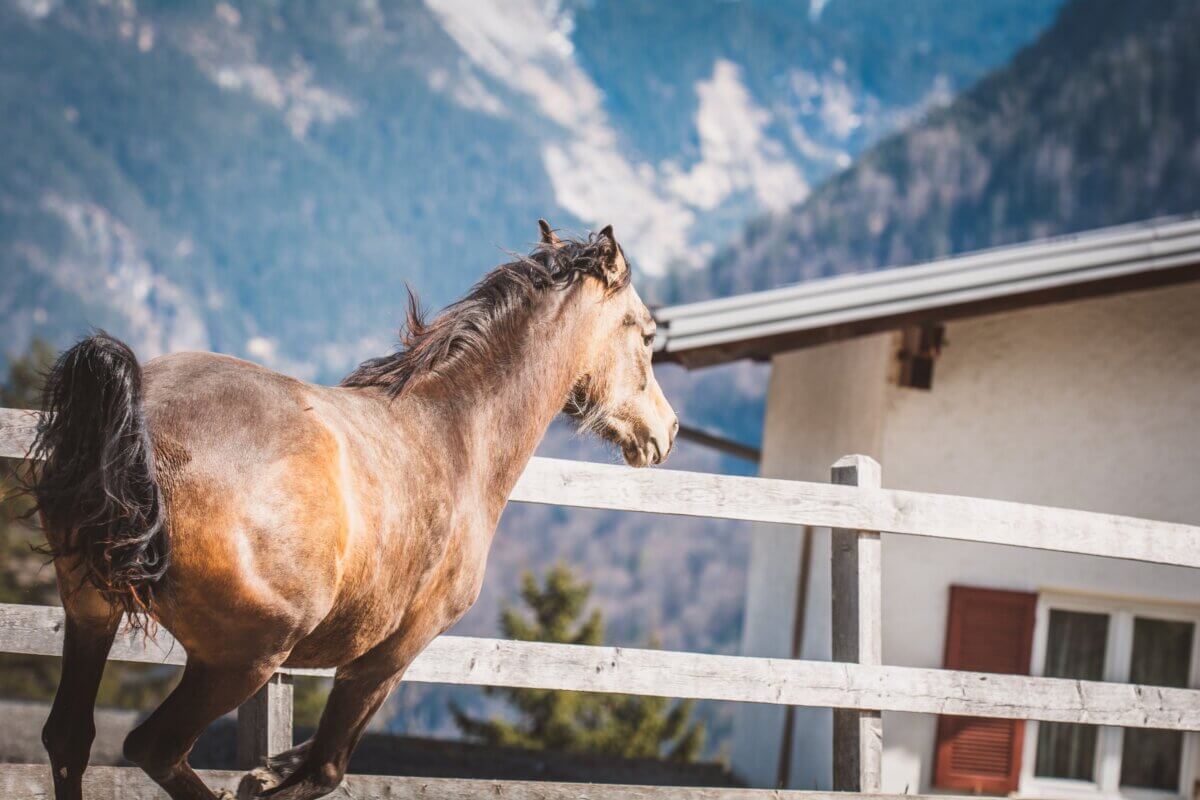
It is a perfect day to ride.
You head out to the pasture with full energy to catch your horse.
Your horse looks at you. And bolts to the other end of the field like you just showed up with a vet and a dentist.
Now you’re the one walking two miles through mud, arm out, halter dangling like a peace offering nobody asked for. Twenty attempts later, you’re standing there sweaty, annoyed, and no closer to catching a horse that clearly has other plans.
Girl, I feel you. I’ve been there more times than I’d like to admit.
Good news: it doesn’t have to be this way. Let’s talk about why your horse is hard to catch and how to fix it.
Quick answer: horses avoid being caught for two main reasons. Catching gets mentally linked to something they don’t enjoy (leaving friends, working hard, feeling uncomfortable), and their instinct reads a fast, head-on approach as a threat, not an invitation. Fix both, and catching a horse gets a whole lot easier.
In this article:
- Equipment you will need
- Why your horse doesn’t want to be caught
- How not to catch a horse
- The quick fix (and why it won’t save you forever)
- How to catch a horse that runs away
- How to get a horse to come to you, long-term
- What to do the second you catch them
Must-Haves For Catching A Horse
Don’t worry, nothing fancy just a horse halter and a lead rope. It may not seem that important, but using the right horse equipment makes your and your horse’s life easier, trust me. If you try to find the next ones or buy the first ones, our horse halter & horse lead rope guide could help you to find the perfect one. Don’t worry, you don’t have to break the bank.
3 Reasons Your Horse Bolts the Second It Sees You
1. The halter means the fun is over
Think about it from your horse’s side. The lead rope goes on, and that’s when the good stuff stops. No more grazing, no more hanging out with friends, no more standing around doing nothing in the sun. Now there’s work. There’s you, possibly in a mood, asking for things that take effort.
And what usually comes right after a hard ride? Exactly. So your horse does the math: halter equals work equals not fun, and decides the other side of the pasture sounds a lot better. You’re left standing there with one very honest question: how do you catch a horse that has already decided it doesn’t want to be caught?
2. Your body language says “predator,” not “friend”
Here’s the part almost nobody thinks about. You’re excited, so you walk straight at your horse, head up, full speed, full energy. To a prey animal, that reads as one thing: you’re chasing them.
Think about lunging. You point something at your horse’s body and that sends them forward and away. A lead rope in your hand does the same job the second you march toward them head-on. Your energy is telling them “move,” and they’re just doing what you’re accidentally asking. Funny when you think about it that way.
3. Yesterday’s ride wasn’t exactly a good time
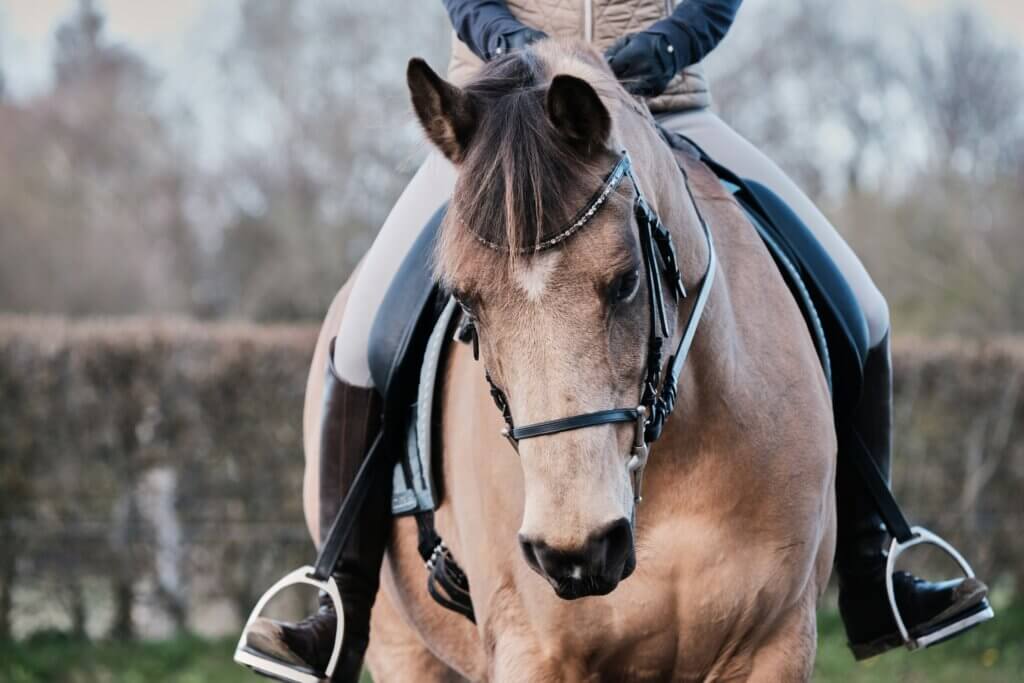
Would you be excited to go to school or work the day after a rough one? Probably not. Horses think the same way. A boring, repetitive, or too-demanding session leaves a bad memory, and that memory gets filed right under “catching.” One rough day in the saddle, and suddenly the next few catch attempts become much harder.
The Quick Fix (And Why It Won’t Save You Forever)
A horse treat works. For now.
It’s not the most sustainable plan, but it’ll get you through today. Just know two things: every horse in the field is going to want a piece of the action, and quick fixes stay quick fixes. A few uses in, the food excitement starts losing to the bad memories, unless your horse is a total food fanatic. And when that happens, you’re back to square one, standing in a field with an empty hand and a horse that’s very unimpressed.
How to Catch a Horse That Runs Away
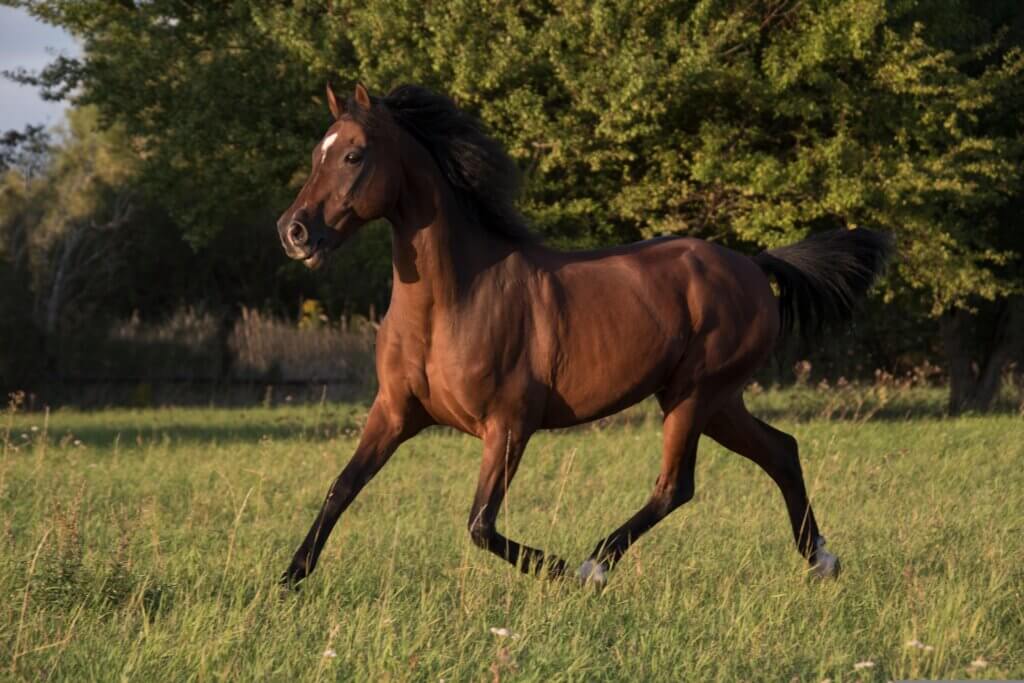
I know you’re excited to see your horse. But slow down.
Don’t walk straight toward them. Approach at an angle instead, slightly sideways, so you look less like a threat and more like, well, nothing much at all. Watch how horses approach each other in a herd. Face to face, head-on, fast, that’s a confrontation, usually started by the more dominant one. No wonder your horse gets nervous when you’re power-walking straight at their face.
Go slow. Angle your shoulder in a bit, soften your posture, and if you’re within two or three steps, you can even drop down slightly. It feels a little ridiculous. It works. And the reward is a caught horse instead of another 20-minute chase.
How NOT to Catch a Horse
- Don’t run or power-walk straight at them.
- Don’t corner or chase them.
- Don’t do anything that spooks or startles them.
- Don’t wave the lead rope or halter around
- Don’t approach head-on or sneak up from behind.
What’s your best “impossible to catch” horse story? Or if you’ve already cracked the code, drop your trick in the comments. I’d love to hear it.
How to Get a Horse to Come to You (Long-Term Fix)
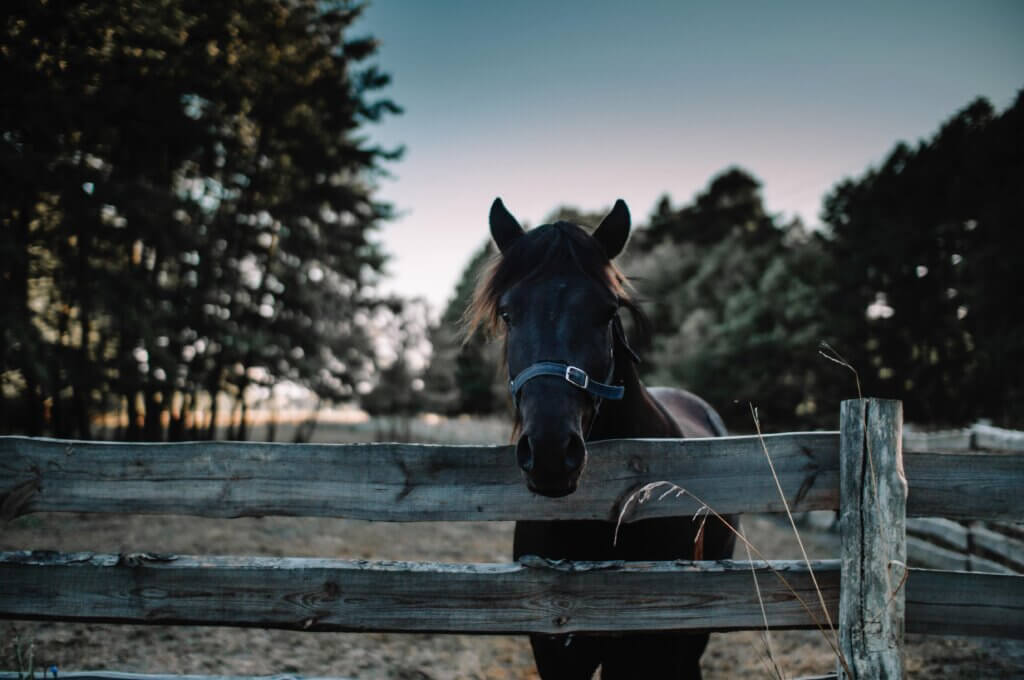
This is the part that actually changes things for good, not just for today.
It sounds cliché, but it’s true: if your horse sees you as someone reliable, someone worth spending time with, they’ll want to come to you. That trust doesn’t happen in one session. It builds over the small, boring, unglamorous moments you spend together. If you want a deeper breakdown of how to bond with your horse, click here.
And this connects directly back to point three. Nobody wants to show up for a day that was boring or exhausting last time. If your rides feel like a chore, your horse will connect that feeling straight to the moment you show up with a halter. A little more variety, a little more fun, and catching gets easier almost as a side effect.
You Caught Them. Now What?
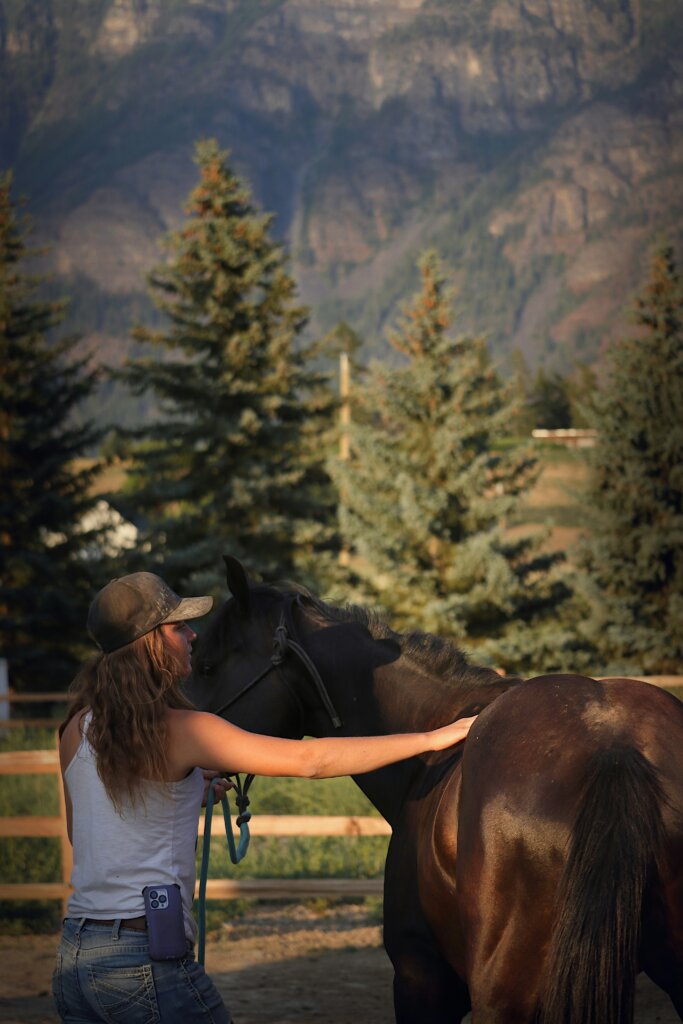
The lead rope is on. You caught your horse. Don’t just power-walk off to the barn yet.
This next part matters more than people think. Let them graze for a minute. Just stand there. Let your horse get used to your presence again, be open, let them sniff you if they want to. Once you can feel that they’ve mentally accepted that you’re there and they’re okay with it, go ahead and hit their favorite scratch spot. A minute or two of that, and now you can actually walk off together.
One more thing: don’t only show up in the pasture when it’s time to ride. Sometimes just go hang out. Groom them, scratch them, sit near them, do something they actually enjoy that has nothing to do with work. If the only time you show up is to take them away for a hard session, don’t be surprised when they’d rather not see you coming.
Let’s Walk Off
If your horse comes to you now, congratulations, you win at life. You just unlocked a whole new level of this relationship.
And if your horse is still a little hard to catch, don’t stress too much. Be consistent. Go slow, approach sideways, and never chase. Take your time after every catch and make it feel good for them. The more you connect catching with something positive, and the more you make riding and your time together actually enjoyable, the less your horse has to run from.
Keep working on the relationship, little by little, and it will get better.
FAQs
My horse won’t let me catch him, and I have a lesson in an hour, what do I do?
Skip the rushing; it’ll only make things worse. Grab a small handful of treats, approach at an angle instead of head-on, and give yourself extra time you don’t feel like you have. A calm five extra minutes beats a stressed thirty.
Is it normal for a horse to be easy to catch some days and impossible other days?
Completely normal. Weather, mood, what happened during the last ride, even what the other horses in the field are doing can all shift how catchable your horse feels on any given day.
I just got a new horse, and it runs from me every time. Is this normal or did I do something wrong?
Totally normal, and it’s not on you. A new horse doesn’t know yet that you’re safe. Trust takes time to build, especially in a brand new environment with a brand new person.
What’s the difference between a horse that’s scared of me and one that’s just being stubborn?
A scared horse usually shows tension everywhere: wide eyes, high head, tight body, quick reactions. A “stubborn” horse tends to look more relaxed while ignoring you, almost bored. If in doubt, assume it’s fear first. It’s the more common reason.
Can you give me a step-by-step plan to fix my horse being hard to catch?
Start by removing pressure: visit without a halter a few times just to hang out. Then reintroduce the halter without immediately working them. Once catching feels neutral again, keep every catch calm, low-pressure, and end sessions on a good note whenever you can. Repeat; don’t rush it.
My horse comes to everyone but me; what am I doing wrong?
Probably nothing dramatic. It usually just means your visits have become linked to work more than theirs have. Try showing up sometimes just to groom, hang out, or do nothing at all.
Why does my horse run away specifically from me and not other people?
Horses build individual histories with individual people. If most of your visits end in work, that association sticks to you specifically.
Should I chase my horse if it runs away?
No. Chasing confirms exactly what they already suspected: that you’re a threat, and that running works.
Will treats ruin my horse’s manners if I use them to catch it?
Not on their own. The issue is relying on treats as your only strategy instead of fixing the underlying reason they’re avoiding you.
How long does it take to fix a hard-to-catch horse?
Usually a few weeks of consistency, though it depends on how deep the bad memory goes and how much low-pressure time you can put in.
My horse only bolts the second it sees the halter; what does that mean?
The halter itself has become the trigger. Try carrying it around during casual visits without ever putting it on, so it stops predicting work every time.
Could my horse be hard to catch because of pain, not just behavior?
Worth ruling out, especially if the change was sudden. Pair it with a vet or saddle-fit check if it comes with other changes like reluctance to move or attitude shifts under saddle.

Leave a Reply