Disclosure: This post contains affiliate links. If you purchase through these links, I may earn a small commission at no extra cost to you.
Images used in this post are for illustrative purposes only and do not represent the exact products mentioned.
A quick note on the picks below: they’re curated based on specs, buyer reviews, and reputation, not gear I’ve personally tested. The layering and fit advice, though, comes straight from my own time in the saddle.
We galloped through summer way too fast, and somehow here we are, standing in the barn wondering why mud season is already creeping in. Oh wait, that’s the wrong question. The real question is: how do we prepare for it? With the right gear, obviously. Colder seasons can actually be fun, trust me.
Let’s talk about horse riding jackets. What’s actually best for you? A long horse riding jacket, a lighter one, a warmer one, or a sleeveless vest? And just as important, what should you wear underneath it? Let’s make your rides as comfortable as possible once the temperature drops. If you need more info about horse riding clothes, here’s my guide.
Quick Answer
Most riders only need two horse riding jackets: a sleeveless vest for warm days or indoor riding, and a full jacket for the colder, windier stuff. Ride outdoors through rain a lot? Add a long, waterproof jacket that covers your saddle. Lighter or warmer comes down to whether you personally run hot or cold, not the number on the thermometer.
In This Article
- What to wear under your horse riding jacket
- Waterproof horse riding jackets, and if the pricier ones are worth it
- When a sleeveless jacket wins over a full jacket
- How many jackets you actually need for horse riding
- Picks for women, men, and kids
- FAQs about horse riding jackets
What to Wear Under Your Horse Riding Jacket
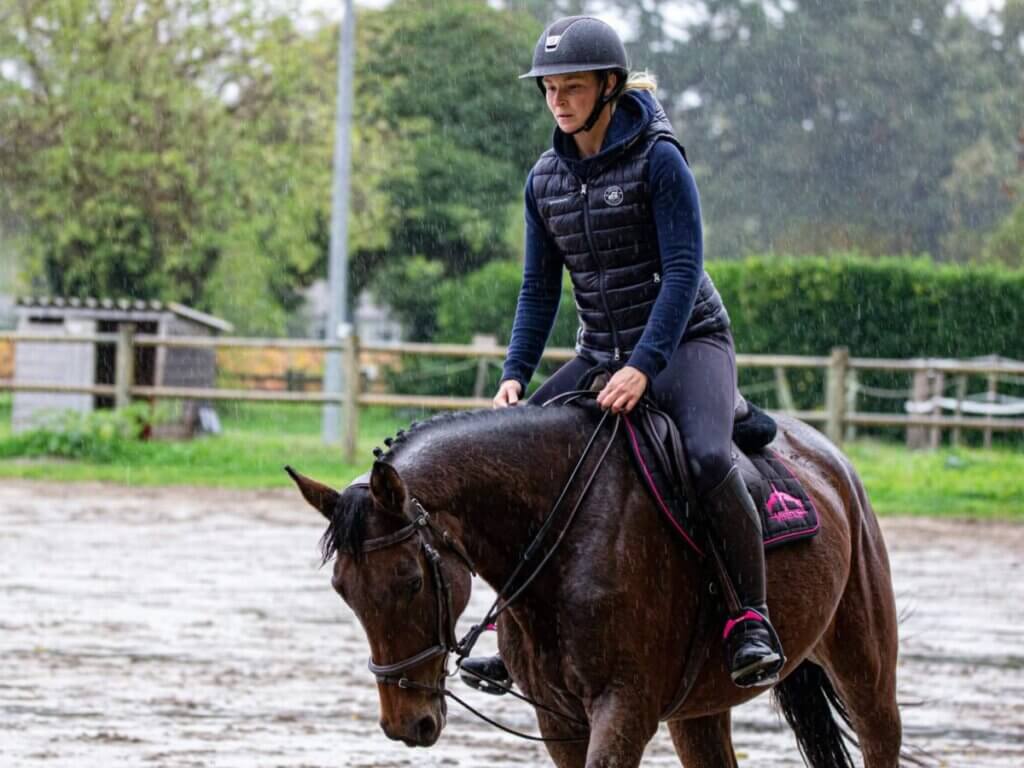
Don’t overthink this one. Start with a sleeveless top, not a polo. Polos slide around and bunch up under a long-sleeve layer, and that gets annoying fast once you’re moving. Go for something tuckable, but not so long it bunches up under everything. On top, add a long-sleeve layer that matches the day. Any comfy athletic fabric does the job.
Pair that with a pair of horse riding pants that actually move with you, and you’ve already solved most of the cold-weather comfort problem before you even reach for a jacket.
A lot of riders swear by a thumbhole sleeve so it doesn’t creep up. Not me. Even in the cold, I push my sleeves past my elbows, since anything bunched around my forearms drives me a little insane. Your setup might be the exact opposite, and that’s completely fine.
As for fleece, I only pull it out once it drops below freezing, and even then it depends on indoor versus outdoor and how windy or humid it is. I run hot, so I’m usually in fewer layers than everyone around me.
Pro Tip: Keep one extra layer within reach at all times. Throw it on after you cool down, or during a walk break if you’re a bit cold.
Base Layers for Women
| Product | Features | Amazon Link |
| Winter Equestrian Long Sleeve Riding Shirt | Fleece-lined, Mouisture- Wicking Fabric, With Thumbhole Cuffs | View on Amazon |
| Summer Equestrian Long Sleeve Riding Shirt | Mouisture- Wicking Fabric, With Thumbhole Cuffs (for early fall, or warmer weather) | View on Amazon |
Base Layers for Men
| Product | Features | Amazon Link |
| Winter Workout Long Sleeve Shirt | Fleece-lined, Mouisture- Wicking Fabric | View on Amazon |
| Summer Running Long Sleeve Shirt | Mouisture- Wicking Fabric (for early fall or warmer weather) | View on Amazon |
Base Layers for Kids
| Product | Best For | Amazon Link |
| Winter Equestrian Long Sleeve Riding Shirt picks | Fleece-lined, With Thumbhole Cuffs | View on Amazon |
| Summer Equestrian Long Sleeve Riding Shirt | Mouisture- Wicking Fabric, With Thumbhole Cuffs (for early fall or warmer weather) | View on Amazon |
Waterproof Horse Riding Jackets: Do You Even Need One?
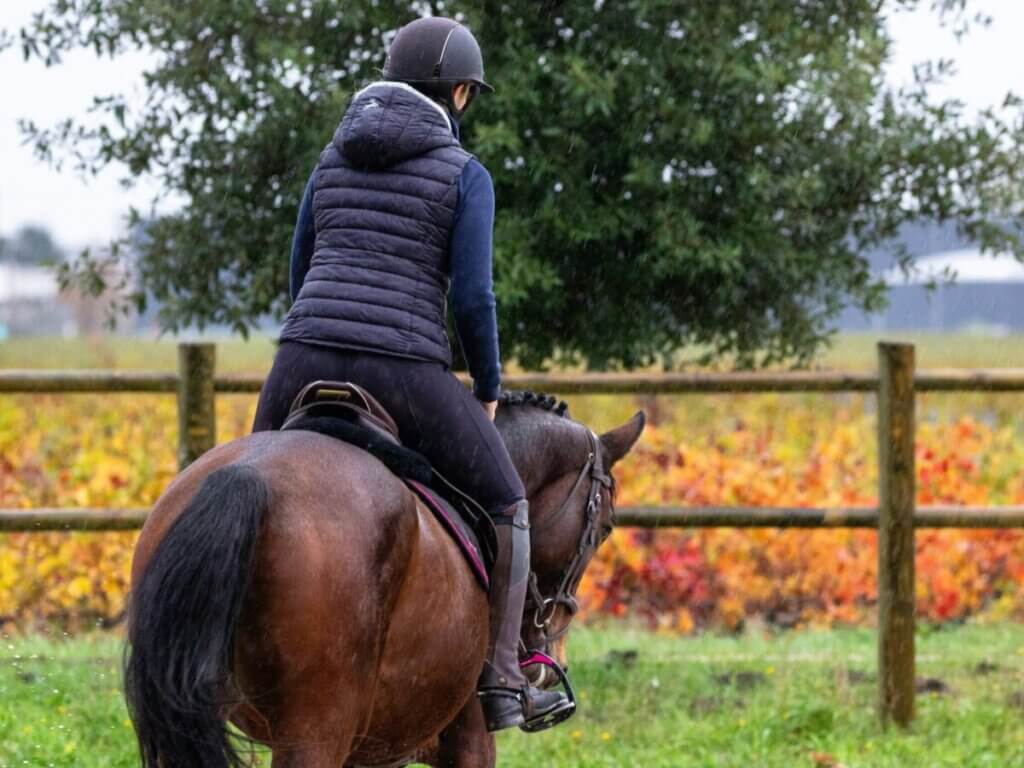
Got a covered arena, or somewhere sheltered to tack up? You might not need a waterproof jacket at all. Head out on the trail in winter no matter what, though, and it’s worth the investment. And then comes the real decision: short or long.
If you just need to stay dry from barn to arena, or you’re dealing with a drizzle, a short waterproof jacket covers it. Riding outside in real, steady rain calls for a long jacket instead, since it covers your saddle. Skip that, and water runs straight under you, which is miserable in the cold and rough on your saddle too.
Waterproof vs. Water-Resistant: They’re Not the Same Thing
These two get used like they mean the same thing, and they don’t.
Water-resistant jackets rely on a surface coating, usually a DWR finish, so water beads up and rolls off. Fine for light rain and drizzle, but it wears off over time and won’t hold up in a real downpour. REI has a solid breakdown of exactly how that coating works if you want the full picture.
Waterproof jackets go further with a real membrane built into the fabric and taped seams, so water is blocked rather than just slowed down. Riding through more than a passing shower? Please look for the word “waterproof” specifically, not “water-resistant.”
Is a Pricier, Brand-Name Waterproof Jacket Actually Worth It?
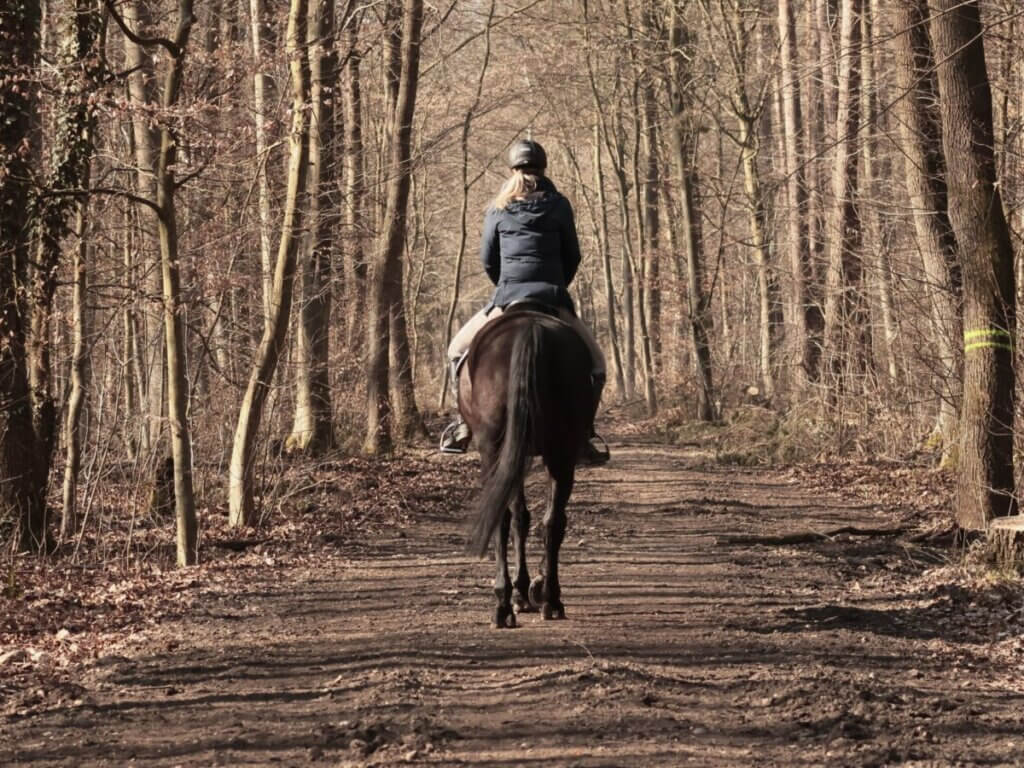
Based on what buyers actually say, it depends on how often and how hard you’ll use it. For occasional light rain, budget waterproof jackets get praised as good enough, and plenty of riders stick with them for years.
But for frequent use in real wet weather, reviewers agree cheaper shells feel thin and trap moisture faster. Pricier jackets with taped seams and a true waterproof-breathable membrane hold up noticeably better over time. Riding outside through a full winter is where the extra cost earns its keep.
Women’s Waterproof Horse Riding Jackets
| Product | Best For | Amazon Link |
| Riding Rain Jacket | Short, everyday waterproof, Wind & Rain Protection | View on Amazon |
| Lightweight Riding Coat | Long, saddle-covering waterproof | View on Amazon |
Men’s Waterproof Horse Riding Jackets
| Product | Best For | Amazon Link |
| Riding Jacket | Short, everyday waterproof | View on Amazon |
Kids Horse Riding Jackets, Waterproof Picks
| Product | Best For | Amazon Link |
| Add from your picks | Short, everyday waterproof | View on Amazon |
Sleeveless Jackets: Underrated and Slightly Iconic
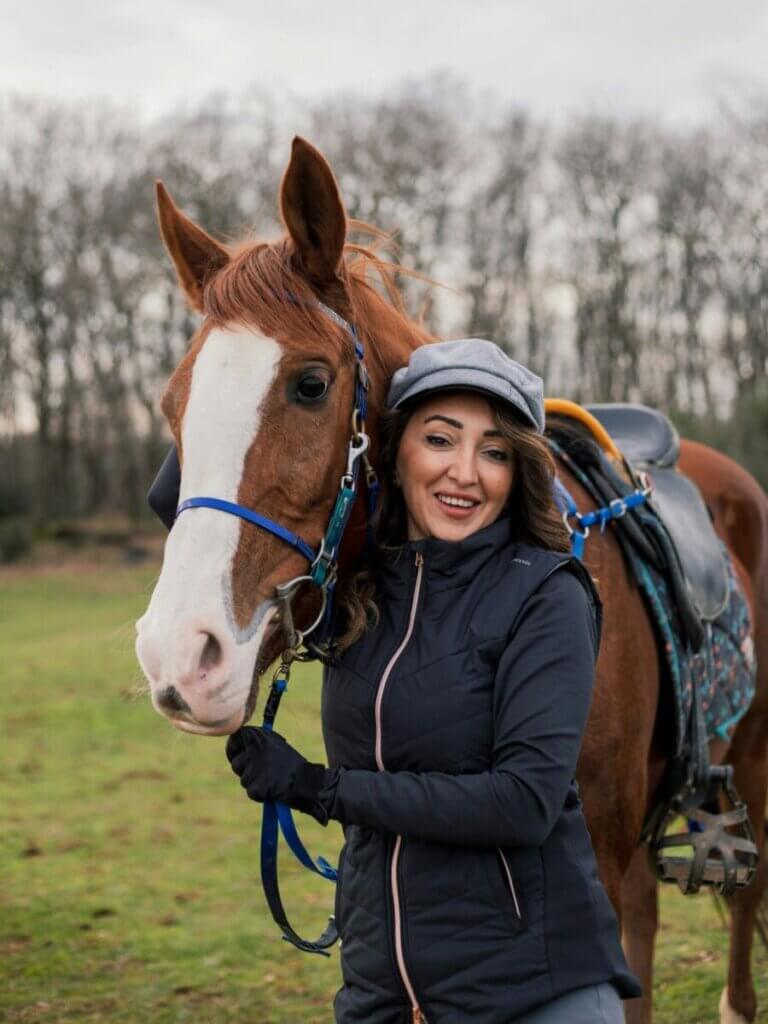
As someone who runs hot, this is my personal cheat code. Sleeveless jackets might be the most underrated thing you can ride in. Adjust what’s underneath however you want, keep your back covered, and never overheat, since your arms stay totally free. No sweating through it like a full jacket.
Run cold instead? Layer up properly underneath before reaching for a sleeveless option. And on a windy winter trail ride, or a freezing outdoor arena session, it’s probably not enough on its own.
When a Sleeveless Vest Beats a Full Jacket
- You’re riding indoors
- You run hot more than you run cold
- It’s outside, but calm, with no bone-chilling cold
- You’ve got an intense ride ahead and know you’ll warm up fast
Can You Layer a Sleeveless Vest for Colder Weather?
Yes, and it works great with the right layers underneath. Just think twice about riding outside in wind, since a vest alone won’t block it, no matter how well you’ve layered.
Sleeveless Jackets for Women
| Product | Best For | Amazon Link |
| Lightweight Vest | Indoor riding, Lighter Weather | View on Amazon |
| Fleece Heated Vest | Outdoor use, Cold, Dry Weather | View on Amazon |
Sleeveless Jackets for Men
| Product | Best For | Amazon Link |
| Lightweight Waterproof Vest | Everyday indoor riding | View on Amazon |
| Polar Fleece Vest | Layered outdoor use | View on Amazon |
Sleeveless Jackets for Kids
| Product | Best For | Amazon Link |
| Polar Fleece Jacket | Everyday indoor riding | View on Amazon |
Lightweight Full Arm Jackets For Women
| Product | Best For | Amazon Link |
| Lightweight Jacket | Lighter Weather | View on Amazon |
| Breathable Riding Jacket | Lighter Weather | View on Amazon |
How Many Horse Riding Jackets Do You Actually Need?
Two, for most riders: one sleeveless jacket, one full-coverage jacket. Ride in cold, windy, or rainy conditions often? Add a long, waterproof coat built to cover the saddle, and you’re set for the whole season.
Regular Jacket vs. One Made for Riding: What’s the Real Difference?
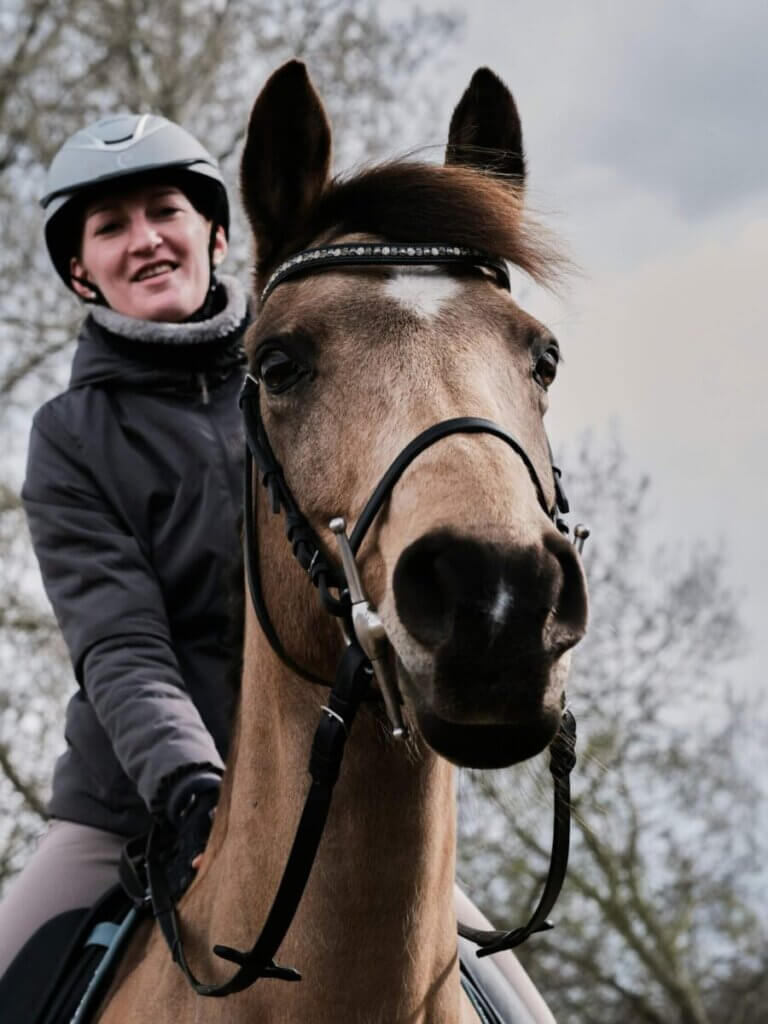
Honestly, not much. Of course, they are made specifically for riding and can be better, but not always; for starters, it is perfect if you use a regular one.
Long riding jackets are built to let you sit properly in the saddle, since a regular long coat bunches up or gets sat on. For short jackets, riding-specific barely matters. But worth choosing the ones designed for movement or outdoor sports.
What Should You Actually Budget for a Good Riding Jacket?
Reliable, everyday-quality jackets tend to land somewhere between fifty and one hundred fifty dollars, based on what buyers are actually happy with.
Premium technical shells with top-tier waterproof-breathable membranes can climb toward two hundred to three hundred dollars and up. Unless you’re riding outside in serious weather daily, the mid-range covers most riders just fine.
Horse Riding Winter Jackets: Go Lighter or Go Warmer?
There’s a lighter option and a warmer option, and picking between them comes down to you, not just the weather.
Think about what your cold months actually look like where you ride. Then be honest about your type: at a group lesson where everyone’s in the same temperature, are you the one bundled up more than everyone else, or less? That answer tells you more than the forecast does.
FAQ
Can I just wear my regular winter coat for horse riding?
For a short jacket, sure, go for it if you can move easily in it and don’t mind if it gets dirty and isn’t too warm for riding. For anything long, no, since a regular coat isn’t cut to let you sit in the saddle and will bunch up under you.
Is it weird to wear a sleeveless jacket in winter?
Not at all, plenty of riders do it year-round with the right layers underneath. Just skip it on genuinely windy outdoor days.
Do I need to spend a lot to get a jacket that actually lasts?
No. Mid-range jackets around fifty to one hundred fifty dollars hold up fine for most riders. Save the premium spend for daily riding through a real winter.
Will a “water-resistant” label keep me dry in real rain?
Not really. Water-resistant is a surface coating that handles a drizzle, not a downpour. For actual rain, you want a jacket labeled waterproof specifically.
Does it matter if I ride indoors versus outdoors when picking a jacket?
Yes. Indoor riding skips the wind factor partially, so you can usually get away with lighter layers than an outdoor rider needs in the same temperature.

Let’s Wrap This Up
Your horse riding jacket setup doesn’t need to be complicated. Figure out if you run hot or cold, be honest about how much weather you actually ride through, and build from there: base layer first, sleeveless or full jacket next, then a long waterproof coat if your winters demand it. Two solid jackets will carry most riders through the whole season.
Tell me in the comments: sleeveless rider or full-jacket rider once it gets cold? What is your favorite hack for riding in cold weather?

Leave a Reply