Disclosure: This post contains affiliate links. If you purchase through these links, I may earn a small commission at no extra cost to you.
Written with AI assistance, based on my own outline and notes.
The images in this post are for illustration only and do not represent the exact products mentioned.
Horse blanketing can be a pain. It’s 6 AM. It’s raining sideways. You walk out to the paddock ready to admire your horse looking cozy and put together in their brand-new horse blanket. Instead, you find confetti.
If this is you, welcome. You’re not doing it wrong, and your horse isn’t broken. A horse blanket becomes a personality test for some horses, and some of them fail it on purpose.
So let’s fix that. Here’s everything you actually need to know about horse blanketing, from why your horse needs one at all, to sizing it right, to stopping the destruction before it starts.
Quick Answer: What You Need To Know About Horse Blankets
- Blanket your horse if they’re older, clipped, thin-coated, or facing big weather swings, not just because it turned cold.
- Pick the fill weight based on temperature and clipping, not the calendar
- Always check the denier and the waterproof rating before you buy
- Measure nose to tail along the side for the right size; don’t eyeball it
- A horse who keeps destroying their blanket usually needs a sturdier blanket and a management fix, not just another replacement
Why Your Horse Might Need a Blanket
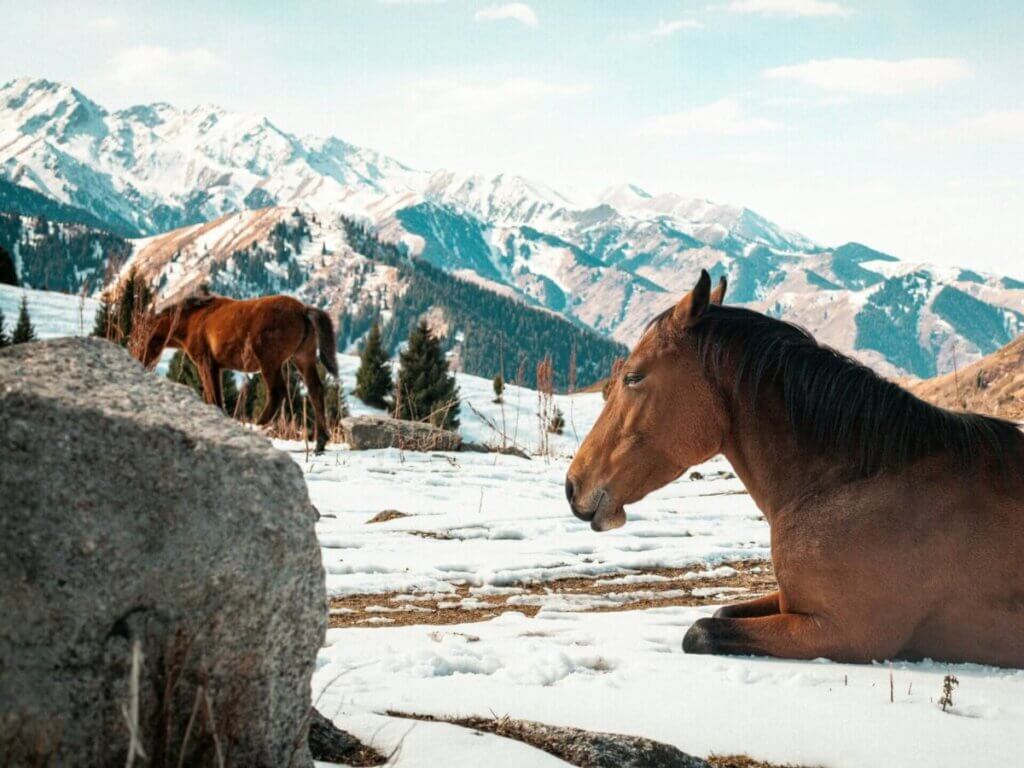
Not every horse needs a horse blanket. A healthy, unclipped horse with a full winter coat and access to shelter can handle a surprising amount of cold on their own. But there are a few situations where blanketing genuinely matters, not just looks nice. Caring for Horses in Cold Weather | USU
Older horses. As horses age, they lose muscle mass and get less efficient at regulating their own body temperature. A senior horse in a cold snap burns through calories just trying to stay warm, calories they might not have to spare.
Extreme or swinging weather. Steady cold is actually easier on a horse’s body than a warm afternoon followed by a freezing, wet night. Sudden temperature swings, especially with rain or wind involved, are when horses are most at risk of getting genuinely cold.
And while you’re sorting out what your horse needs, don’t forget you’re standing in the same weather. Our guide to horse riding jackets for mud season covers what actually keeps you dry and warm out there.
Clipping
If you clip your horse for winter riding, you’ve removed the exact coat that was supposed to keep them warm. A clipped horse has no choice; blanketing isn’t optional anymore, it’s the coat you took away(almost). If you’re still trying to find out whether you should or shouldn’t clip your horse, our horse clipping guide walks through how to get a clean clip without stressing your horse out.
If none of these apply, your horse might be totally fine without one.
Types of Horse Blankets (Horse Blanketing 101)
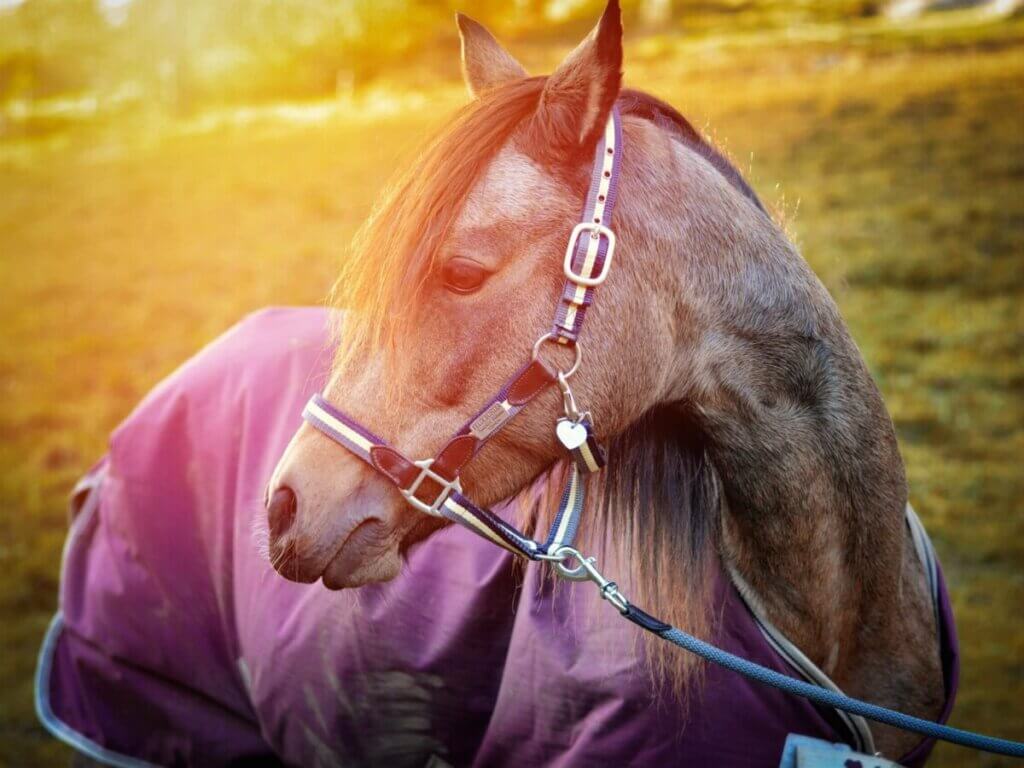
Turnout blankets. Built for outside. Waterproof, windproof, tougher outer shell. This is what your horse wears in the field, rain or shine.
Stable blankets. Built for indoors. Warm, but not waterproof, and not meant to handle mud, rain, or a horse rolling in a wet paddock. Think of it as a duvet, not a raincoat.
Coolers and fleece sheets. Not for warmth in the cold sense, these are for before and after exercise. They wick sweat and prevent a hot horse from chilling too fast while they dry.
Neck covers extend coverage up toward the ears for horses who need extra protection, and leg straps or wraps keep the blanket itself anchored so it doesn’t shift or flip in the wind.
| Blanket Type | Best For | Waterproof? | Amazon Link |
| Turnout Blanket 1200D 200g | Full-time outdoor wear, rain, wind | Yes | View on Amazon |
| Turnout Blanket 1050D No filling-200g-300g | Full-time outdoor wear, rain, wind | Yes | View on Amazon |
| Stable Blanket | Indoor warmth, layering | No | View on Amazon |
| Fleece Cooler | Post-exercise, drying off | No | View on Amazon |
| Thermometer | Checking temp under the blanket | No Need | View on Amazon |
What Actually Matters in a Horse Blanket
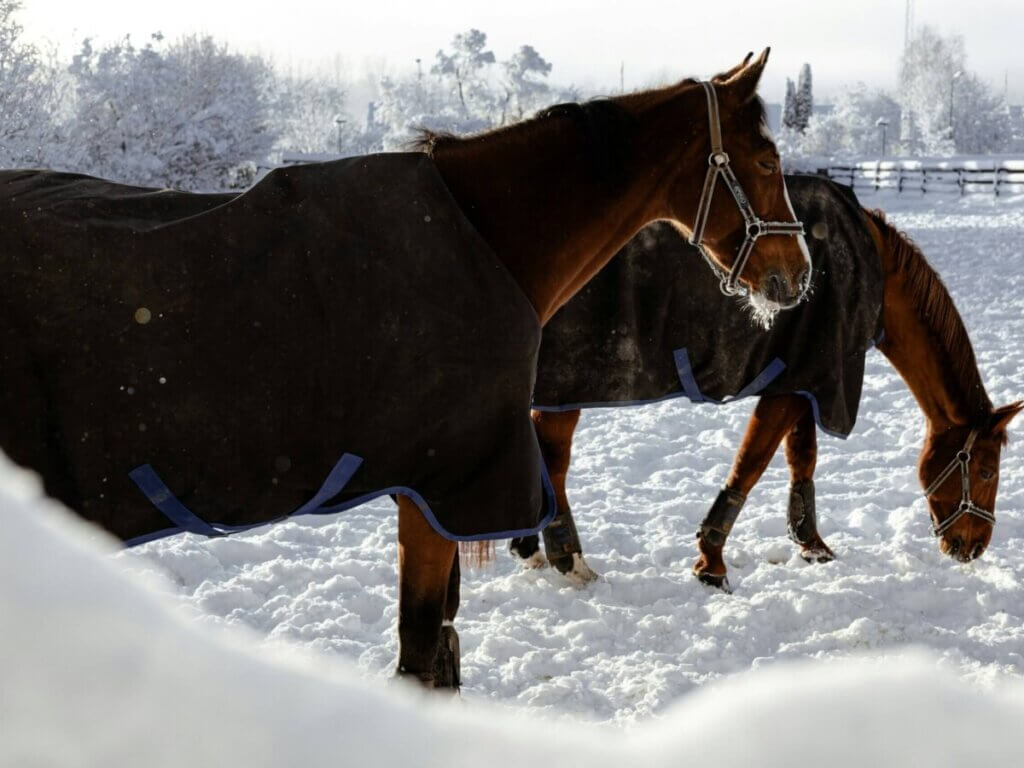
Once you know what type you need, the real decision is in the details. Here’s what to actually look at before buying, not just what the label says.
Denier: How Tough the Fabric Is
Forget the technical definition; just think of denier as the fabric’s toughness rating, the same way you’d compare a flimsy rain poncho to a heavy-duty work jacket. It shows up as a number like 600D, 900D, or 1200D. Bigger number, tougher fabric, simple as that.
- Calm horse, no drama with other horses in the field: 600D is plenty
- Horse who rolls hard, wrestles with a pasture mate, or has already ripped a blanket: go 1200D or a reinforced ripstop
- Not sure yet: mid-range like 840D–900D is a safe starting point
Fill Weight: How Warm It Is
Fill weight is just how much stuffing is packed inside, measured in grams. More grams, more warmth. That’s really all it means.
- Unclipped horse, just want a bit of extra protection: 0g, a shell with no stuffing.
- Lightly clipped or an average winter chill: 100g–200g
- Fully clipped, older, or genuinely freezing nights: 300g or more
Waterproof Rating
A blanket that isn’t properly waterproof doesn’t just get your horse wet; it traps that wet against their skin under a layer they can’t shake off or roll away. Cold plus wet plus wind is the exact combination that puts a horse at real risk, so this one isn’t optional.
- Turnout, year-round, any weather: always fully waterproof
- Stable only, indoors: waterproofing doesn’t matter
- Somewhere in between, like a run-in shed with open access to rain: treat it like turnout and go waterproof
A Simple Add-On: A Thermometer
Unsure if your horse is running warm or cold under there? A small adhesive strip thermometer stuck under the flap solves that instantly; no more sliding a hand under the blanket to check.
One thing to know first. These strips read the surface temperature of the skin and coat, not your horse’s core temperature. So the numbers will look lower than you’d expect, and that’s normal.
Research using infrared thermography on healthy horses in winter found surface temperatures of 18 to 24°C (64 to 75°F) on the chest and shoulder. Use that as your baseline.
- Reads higher, skin feels warm or damp: your horse is running too hot
- Reads lower, skin feels cold: they need more insulation
Check it once or twice a day, morning and evening, or before and after work. No need to obsess over the exact number in the moment.
Source: Thermoregulation of horses in cold, winter weather: A review (ScienceDirect)
https://www.sciencedirect.com/science/article/abs/pii/0301622694902666
How to Measure for a Horse Blanket
This is where most blanket problems actually start. A blanket that’s the wrong size will slip, rub, and give your horse every reason to want it off.
To measure, stand your horse square on flat ground. Run a soft tape from the center of their chest, along the point of the shoulder, all the way back to the point of the buttock, following the body, not a straight line through the air. That number, in inches, is your blanket size.
If you land between sizes, size up, not down. A slightly loose blanket is far more comfortable and safer than a tight one that pulls at the shoulders every time your horse moves.
The One Rule Before You Blanket: Never Cover a Sweaty Horse
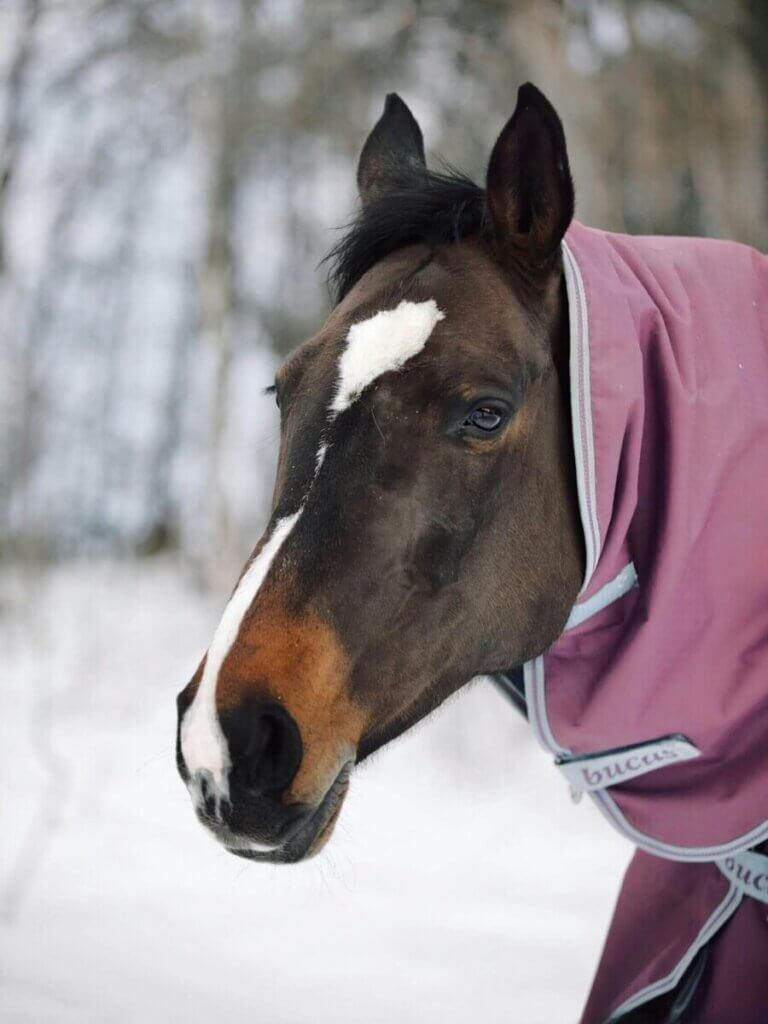
This trips up a lot of owners in a hurry to get out of the cold themselves. Blanketing a sweaty horse traps that moisture against their skin instead of letting it evaporate, which sets them up for chilling, skin irritation, and rain rot in the exact spot you thought you were protecting. What you actually do next depends on one thing: is your horse clipped or not.
Clipped and Sweaty After Work
A clipped horse has no coat left to trap warmth on its own, so once they’re sweaty, they can chill fast. Pop on a breathable fleece cooler right away while they’re still drying. It won’t trap the moisture the way a full blanket would, but it stops them from losing heat while they cool down.
Not Clipped, But Needs a Blanket for Another Reason
If your horse still has their coat and just needs a blanket for age, weather, or another reason, let them dry naturally first. Rub them down with a handful of straw while they dry; it pulls moisture out of the coat almost like a natural towel. Only put the blanket on once they’re properly dry to the touch.
Either Way: Walk It Off First
No matter which situation you’re in, get your horse walking after work before anything else. This is the single biggest thing you can do; movement keeps circulation going and dries a horse out far faster than standing still ever will. Check the girth area and belly too, not just the top coat; these spots stay damp the longest and are the ones people forget.
How to Put a Horse Blanket On, Step by Step
- Tie your horse safely or have someone hold them, especially the first few times with a new blanket.
- Fold the blanket in half, front to back, and set it on your horse’s neck and withers first.
- Unfold it back over the hindquarters gently; don’t just toss it; a sudden movement is exactly what spooks a hesitant horse.
- Fasten the front chest closure first; this is what keeps the whole blanket from sliding if your horse moves.
- Cross the belly surcingle straps underneath; don’t leave them parallel; crossing prevents the blanket from flipping in the wind.
- Fasten the leg straps last, snug enough to stay put, loose enough to fit two fingers underneath comfortably.
- Do a final check, run your hand along the shoulders and withers to make sure nothing is pulling or rubbing.
My Horse Keeps Ripping Their Blanket Off. Now What?
This is the part you actually came for, so let’s get into it. A horse who consistently destroys their horse blanket is telling you something, and it’s rarely just “being bad.”
Check the Fit First
A blanket that’s too big flaps in the wind, and flapping fabric is basically an invitation to bite at it. Go back to your measurements and size down if there’s excess material bunching at the shoulders or hanging loose at the back.
Rule Out an Itch You Can’t See
Sometimes what looks like destructive behavior is actually a horse trying to scratch somewhere they can’t reach. If the ripping started suddenly, it’s worth checking the skin underneath for irritation. A hidden hot spot or bit of dried sweat can turn a calm horse into a blanket destroyer overnight.
Go Up in Denier
If fit and skin aren’t the issue, your horse might just be a rough customer. A 1200D or reinforced ripstop turnout blanket can survive rolling, pasture mates, and fence rubbing that would shred a lighter 600D blanket in a week.
Add a Liner or Blanket Suspenders
These clip to a surcingle underneath the blanket and keep it centered even through rolling and bucking, which cuts down on the shifting that leads to chewing.
Consider the Boredom Angle
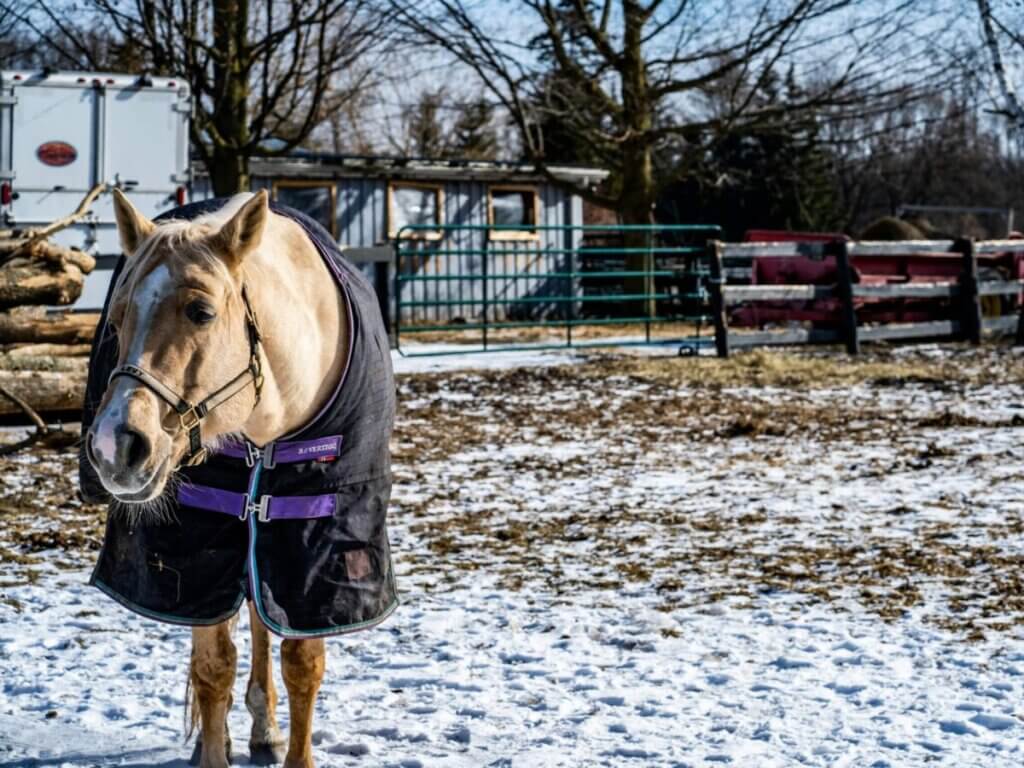
A horse turned out alone with nothing to do will find their own entertainment, and biting at their own blanket is a common one. A pasture companion, a slow feeder, or simply more turnout time can quietly solve a problem that looked like a blanket issue but was actually a boredom issue.
Not every destructive horse is the same, so it’s worth trying one fix at a time rather than throwing money at a whole new wardrobe. Most of the time, it’s fit or fabric strength, not a horse determined to ruin your morning.
One more thing before you put it away for the season: don’t just shove a filthy blanket in the tack room until next winter. We’ll have a full how-to-wash-a-horse-blanket guide coming soon with the do’s and don’ts.
Before You Ride Off
A good horse blanket isn’t about looking put together at the barn; it’s about giving your horse the right protection for their actual situation, age, clipping, and the weather they’re facing. Get the sizing right, understand what denier and fill weight actually mean, and if your horse is hard on blankets, size up in toughness before you give up entirely.
Blanketing shouldn’t be a daily battle. With the right fit and a bit of troubleshooting, most horses settle into it just fine, even the dramatic ones.
Enjoyed this? For more horse care, gear guides, and everything in between, browse HorseRiderThoughts.
FAQs
What temperature should I start blanketing my horse?
There’s no single number that works for every horse. A general guideline is to consider a winter horse blanket once temperatures drop below 5°C (41°F), especially for clipped, senior, or thin-coated horses. A healthy, unclipped horse with shelter access may not need one until it’s much colder.
Can a horse overheat under a blanket?
Yes. Overblanketing is just as much of a problem as underblanketing. A sweaty horse under a blanket is at risk of chilling once the sweat cools, so check under the blanket regularly, especially after activity or a sudden warm spell.
Do I need both a turnout blanket and a stable blanket?
Not always, but many owners layer a lighter stable blanket underneath a waterproof turnout blanket during the coldest stretches, then adjust layers as the weather shifts through the day.
Does a clipped horse always need a blanket?
Pretty much, yes. Clipping removes the coat your horse would normally rely on, so a clipped horse needs consistent blanketing until that coat grows back or the weather warms up for good.
How do I know if my horse’s blanket is too tight?
Rubbing at the shoulders, withers, or chest is the first sign. You should be able to fit two fingers under any strap comfortably, and there shouldn’t be visible pulling when your horse lowers their head to graze.

Leave a Reply