
Disclaimer: Informational purposes only and does not constitute veterinary advice.
Can horses eat strawberries? Yes, and summer just got a whole lot sweeter for your equine friends. Picture this: you’re sitting outside, bowl of fresh berries in hand, your horse hanging their head over the fence, giving you THAT LOOK. You know what I mean. The “are you seriously not going to share that?” look.
Here’s the thing in the equestrian world: colic is the name nobody wants to say out loud. It’s our biggest fear, the villain of every stable story. And yes, horses do have a sensitive digestive system. But that doesn’t mean your horse can’t enjoy the occasional delicious treat. It just means we have to be smart about it.
Let’s talk about berries. Trust me, your horse wants you to read this.
The Equine Digestive System
Before we talk berries, let’s talk bellies. Horses are “trickle feeders,” meaning their digestive system is designed to process small amounts of high-fiber forage continuously throughout the day. Think hay, grass, more hay. Their gut microbiome is finely tuned to break down fibrous plant material slowly, not to handle large sugar hits in one go.
This is why overfeeding fruit, even “safe” fruit, can throw off the gut’s bacterial balance and lead to colic or loose manure. The good news? In small, controlled amounts, fruits like berries are not only safe, they actually bring real nutritional benefits. The keyword here is moderation.
I once heard a heartbreaking story about a well-meaning horse owner who loved her mare so much she gave her an entire crate of apples. The horse ate every single one and didn’t make it. Please let that story stay in your mind every time you reach for the treat bag. Apples are completely safe. A crate of them is not.
The Golden Rules of Giving Treats to Your Horse
Before we get to the fun part, here are the non-negotiables:
- Always wash fruit before feeding, as pesticide residue is a real concern.
- Never give rotten or moldy fruit.
- If the horse isn’t yours, always ask the owner before offering any treat.
- Introduce new foods one at a time, slowly, so you can catch any sensitivity early.
- Always consult your vet before making changes to your horse’s diet, especially if they have metabolic conditions.
How to Introduce a New Treat
Horses fall into two very distinct personality types when it comes to treats.
The first type is the vacuum cleaner; they’ll inhale anything you put in front of them without a second thought. If that’s the case, always cut treats into smaller pieces to reduce choking risk.
The second type is the food critic, who’ll sniff it, stare at it suspiciously, maybe nudge it around with their nose for a full five minutes before deciding whether it’s worthy of their attention. It’s honestly adorable. Let them take their time.
Just like us, every horse has individual taste preferences. Some might go absolutely wild for strawberries. Others might decide strawberries are beneath them, which, honestly, is hard to imagine, but here we are.
Watching for Allergies and Sensitivities
Yes, horses can have allergic reactions to foods; it’s not just a human thing. This is exactly why you introduce new treats one at a time, so if a reaction does happen, you know the culprit. Signs to watch for after introducing any new fruit:
- Hives or raised skin welts
- Excessive itching or rubbing
- Runny eyes or nose
- Loose manure or digestive upset
- Any signs of colic, pawing, looking at the belly, or refusing to eat
If you see any of these signs, stop the treat immediately and call your vet. Better safe than sorry.
Can Horses Eat Strawberries?
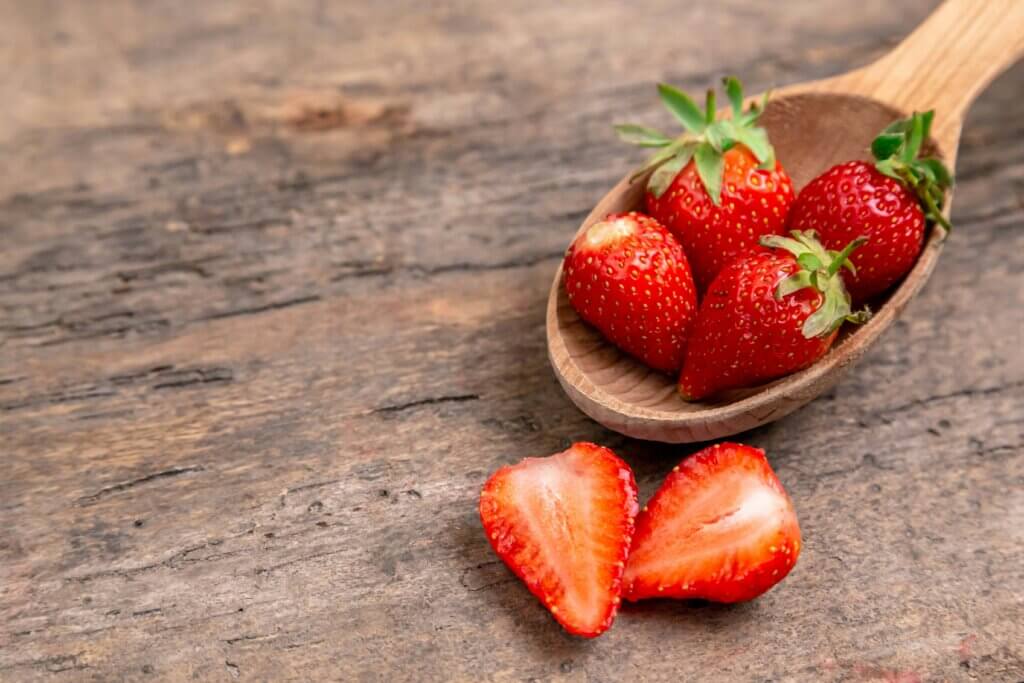
Absolutely, and most horses love them. Strawberries are non-toxic to horses and make a great occasional treat, especially during summer when they’re at their ripest and most delicious.
Benefits of Strawberries for Horses
Strawberries are more than just a pretty red treat. They pack a genuinely impressive nutritional profile for your equine friends:
- Vitamin C — supports immune health and helps the body recover after physical exertion. Horses do produce their own vitamin C, but an extra boost during heavy training or illness doesn’t hurt.
- Antioxidants (flavonoids) — help reduce oxidative stress caused by muscle fatigue and exercise.
- Potassium — supports muscle function and healthy fluid balance.
- High water content — great for hydration on hot summer days.
- Fiber — supports healthy gut function.
- Folate and manganese aid metabolism and bone health.
How Many Strawberries Can a Horse Have?
A healthy adult horse can safely enjoy around 2–4 medium strawberries, two to three times per week. Some sources suggest up to one small cup (around 10 berries) per week as the upper limit. Think of them as dessert, not a meal replacement. The green tops and leaves are generally fine too, as long as everything is washed thoroughly.
Note: horses with insulin resistance, laminitis, Cushing’s disease, or equine metabolic syndrome should avoid high-sugar fruits, including strawberries. When in doubt, ask your vet.
Can Horses Eat Raspberries?
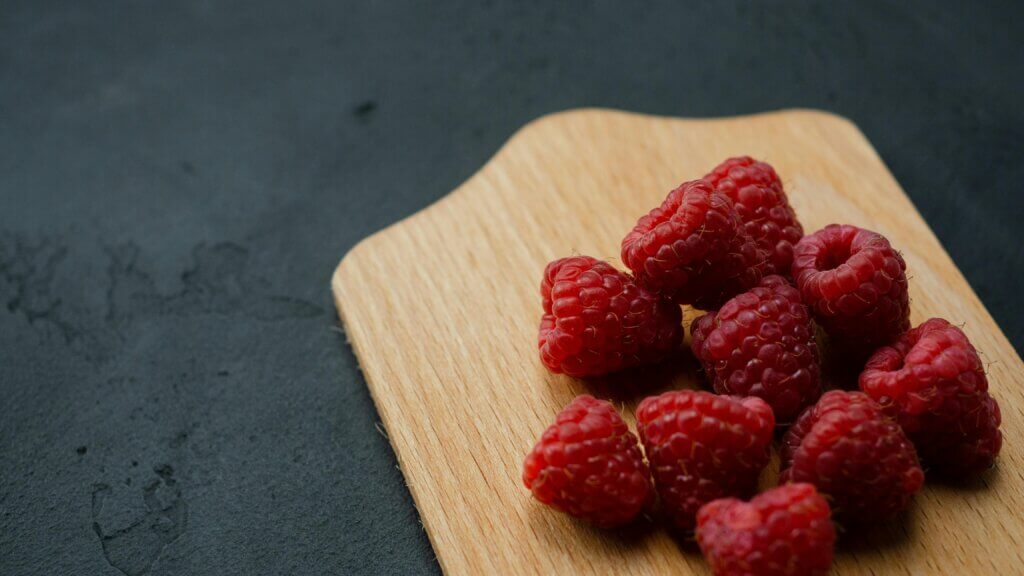
Yes, and these little berries are actually nutritional powerhouses. Raspberries contain potent antioxidants called anthocyanidins and epicatechin, which you’ll sometimes spot on the ingredient list of high-quality equine supplements. That alone tells you something.
Benefits of Raspberries for Horses
- Vitamins A, C, and E — a trio that supports performance, recovery, and immune function.
- Powerful antioxidants — great for horses in heavy training or recovering from illness.
- Manganese and fiber — support digestion and metabolic processes.
- Soft texture — lower choking risk than harder fruits, making them easier to handle safely.
How Many Raspberries Can a Horse Have?
Most healthy adult horses should only have a small handful of berries at a time. Because of their soft, small size, they’re less of a choking concern than larger fruits, but you should still offer them in a small handful rather than pouring a whole carton in. Fresh only, no jams, syrups, dried sweetened raspberries, or anything processed.
Can Horses Eat Blueberries? The Antioxidant Superfruit Your Horse Will Love
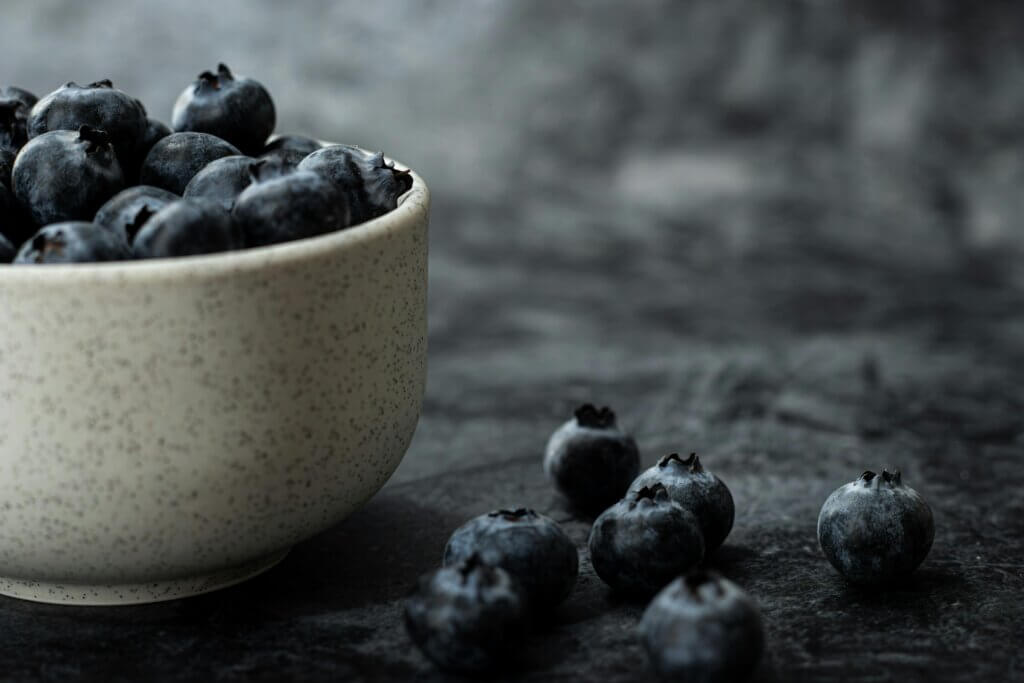
They can, and blueberries might just be the most impressive berry of the bunch from a nutritional standpoint. These tiny purple gems are packed with phytochemicals, fiber, and plant compounds that have been shown in research to support insulin sensitivity, gut microbiome health, and cardiovascular wellness.
Benefits of Blueberries for Horses
- Antioxidants — among the highest of any common fruit- help fight inflammation and support cell health.
- Prebiotics — the fiber and phytochemicals in blueberries support beneficial bacteria in the horse’s gut, which is especially relevant given how often gut microbiome imbalance underlies metabolic issues in horses.
- Cardiovascular support — plant compounds in blueberries are associated with improved heart health.
- Low-calorie — one of the more diet-friendly fruit options for horses watching their weight.
How Many Blueberries Can a Horse Have?
A handful or two works perfectly as an occasional treat. Because blueberries are small and soft, they’re generally easy for horses to eat safely. Still, wash them well, especially if they’re not organic, and keep the portions reasonable. A treat is a treat, not a meal.
Can Horses Eat Blackberries? Wild, Bold, and Totally Safe

Yes, and if you’ve ever been trail riding past a wild blackberry bush, you probably already have your answer. Many horses will reach right out and pick berries straight from the vine, thorns and all, without a second thought. (They don’t seem bothered by the thorns at all, unlike us.)
Benefits of Blackberries for Horses
- Vitamin C and manganese — support immune function and metabolic health.
- High antioxidant content — helps fight inflammation and support blood sugar balance.
- Fiber — supports healthy digestion.
- In the wild, horses naturally seek out berries like blackberries to supplement their nutritional needs.
How Many Blackberries Can a Horse Have?
Same principle as the other berries, a small handful makes a great treat. Because blackberries are rich in antioxidants and slightly tart, many horses enjoy them mixed with milder fruits. Keep it to an occasional treat status and always wash them first.
When Your Horse Should Skip the Berry Bowl Entirely
Even the safest fruit can be the wrong choice for certain horses. Hold back on berries — or ask your vet first — if your horse has:
- Insulin resistance or equine metabolic syndrome — the natural sugar in fruit can cause spikes.
- Laminitis — sugar is a known trigger and must be tightly managed.
- Cushing’s disease (PPID) — metabolic management is crucial for these horses.
- A history of colic or digestive sensitivity — play it extra safe and consult your vet.
- Obesity — even healthy treats add up in calories when given daily.

Let’s Walk It Off — The Bottom Line on Berries for Horses
So, can horses eat strawberries? Yes. Can they eat raspberries, blueberries, and blackberries, too? Also, yes, and all four fruits bring real nutritional value when given correctly. The common thread across every single one of them is moderation, preparation, and observation.
Wash everything. Start small. Watch for reactions. Know your horse’s medical history. And when in doubt, call your vet. That’s not being overly cautious, that’s being a great horse owner.
FAQs
Can horses eat strawberry leaves and tops?
Yes, the green tops and leaves are generally safe for horses. Just make sure they’re washed and free of pesticide residue before offering them.
What fruits are NOT safe for horses?
Avoid avocado (toxic to horses), stone fruit pits (contain cyanide compounds), and anything in the Solanum family like tomatoes or potatoes.
What fruits are safe for horses?
Cherries, plums, and peaches are generally considered safe in small amounts as long as the pits are removed, but the fruit in this article — strawberries, raspberries, blueberries, and blackberries — are among the safest choices you can make.
How do I know if my horse has had too many berries?
Watch for loose manure, signs of abdominal discomfort (pawing, looking at the flank, reluctance to move), reduced appetite, or unusual behavior. If you suspect colic, call your vet immediately.

Leave a Reply