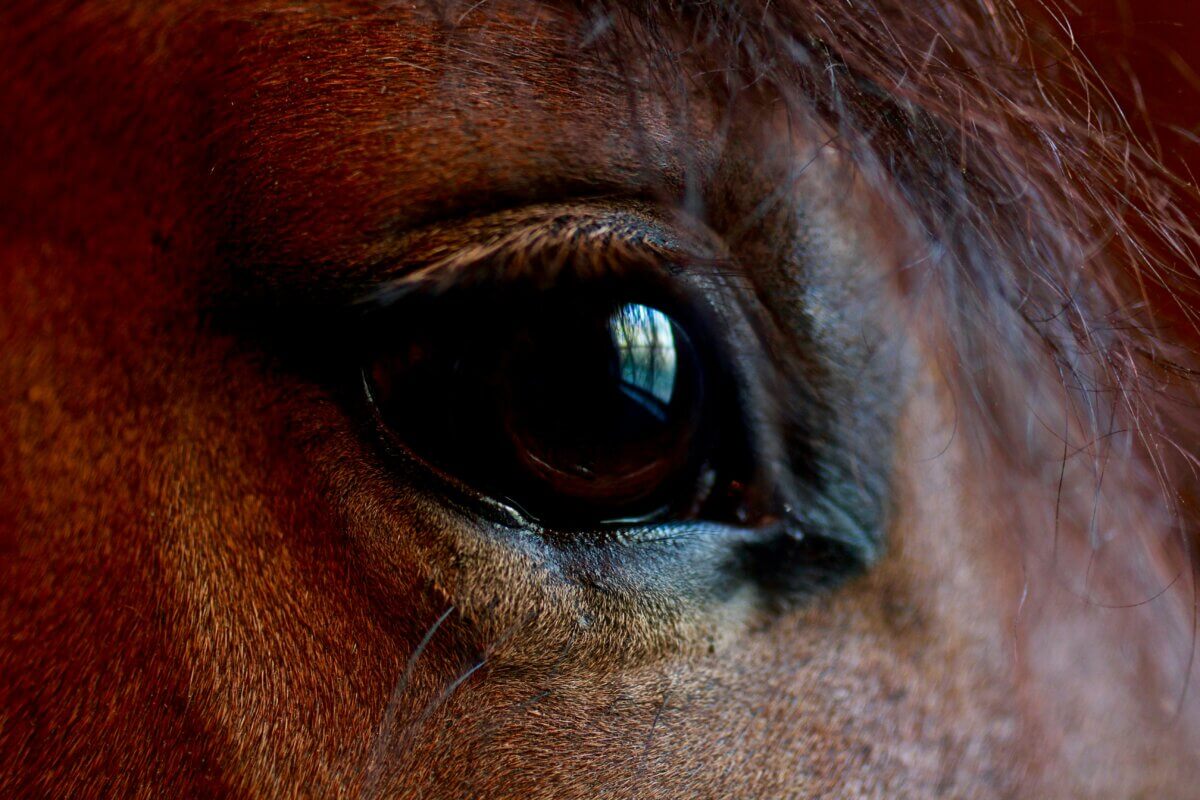
Do horses cry?
Or is it just dust in their eyes?
Imagine this.
You are walking past a pasture on a chilly, windy afternoon. The air feels sharp, the grass bends under the wind, and everything seems a bit quiet. Then you notice a horse standing still, head slightly lowered, eyes glossy, tears running down its face.
It is a heart-tugging sight, isn’t it?
Your thoughts start racing. Did it lose a friend? Is it in pain? Is something wrong?
You pause and wonder.
Do horses cry like humans?
Don’t worry. The situation is not nearly as dramatic as it looks. Let’s take a closer look at what is really happening here.
1. Those Huge, Expressive Eyes
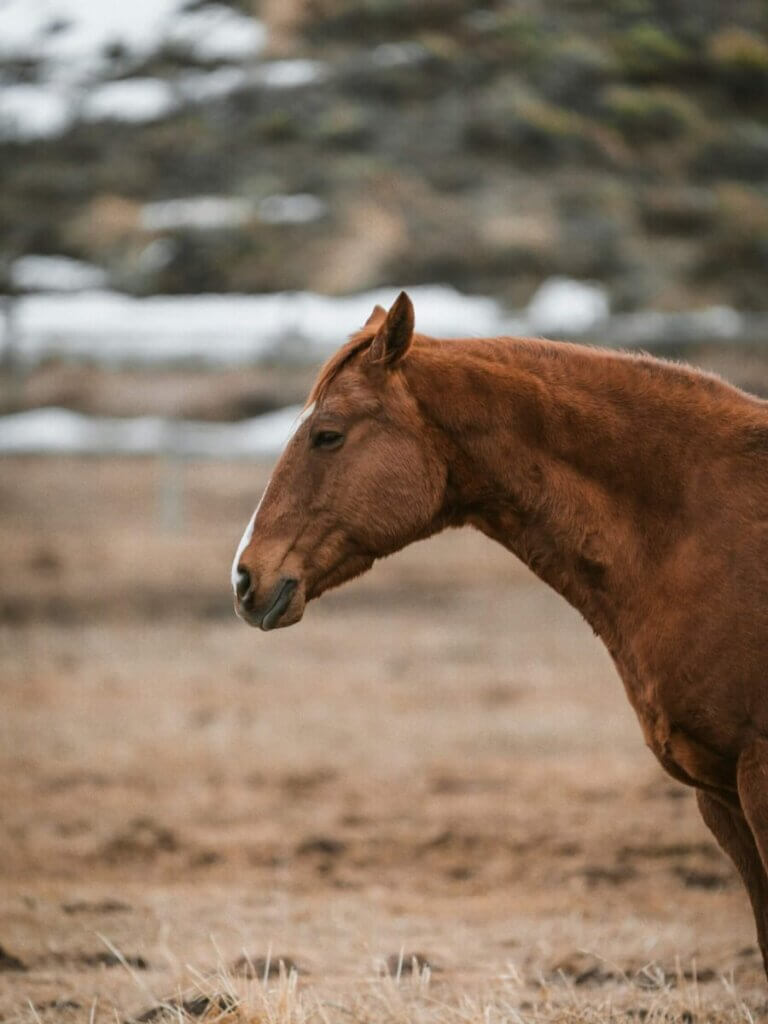
Have you ever noticed how big a horse’s eyes are?
Horses have the largest eyes of any land mammal. And those wide, shiny eyes are powerful, able to detect tiny movements from far away, like a leaf drifting across a field.
But here is the interesting part.
Those same eyes can tell you a lot about how a horse feels. Even though horses are highly intelligent and emotional animals, they do not produce emotional tears the way humans do. That does not mean they are emotionless. They simply express things differently through movement, posture, and small changes in their expression.
And yes, through their eyes.
But the eyes alone are never enough. They always work together with the rest of the body.
And here is something even more surprising.
Horses can read your face, too.
2. They Can Read Your Face
For years, we have known that horses react to our state through things like posture, breathing, and tension.
But it goes further than that.
Horses can actually recognize human facial expressions.
In a study conducted by psychologists at the University of Sussex, 28 horses were shown photographs of people displaying different emotions, mainly angry and happy faces.
The results were fascinating.
When horses saw angry faces, they looked more with their left eye, their heart rate increased faster, and they showed signs of stress. This is because many species view negative events with their left eye, since the right hemisphere of the brain specializes in processing threatening stimuli.
You can read the whole research here
But it does not stop there.
A follow-up study published in Current Biology showed that horses remember these cues. If someone previously showed an angry expression in a photograph, the horse reacted more cautiously to that same person hours later, even when the person was calm and neutral.
They combine facial expressions, tone of voice, and past experiences, and adjust their behavior accordingly.
This level of awareness is something researchers have only recently started to fully understand.
You can read the whole research here
3. Horse Eye Meaning: What Their Eyes Are Actually Saying
There is a saying that the eyes are the window to the soul, and honestly, it applies perfectly to horses.
While their body language does most of the talking, their eyes add another layer.
Relaxation
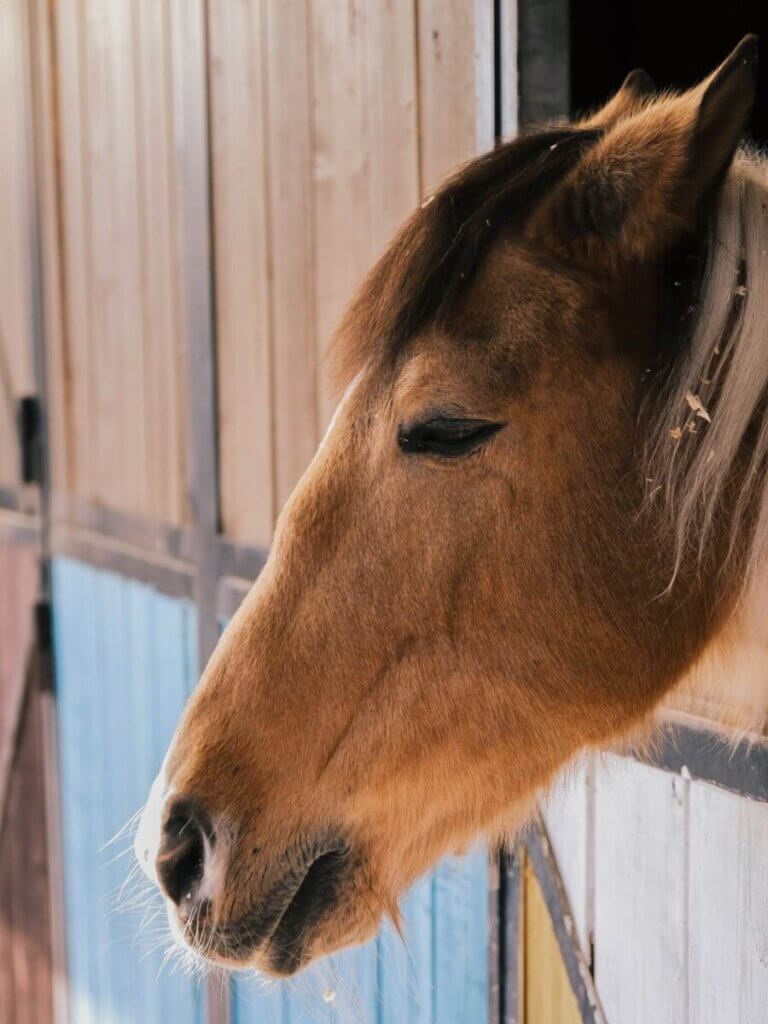
Soft eyes, slow blinking, no tension.
You might notice it when your horse is being groomed, standing in the sun, or enjoying a good scratch at the withers. When someone hits a sweet spot, the eyes often soften right away. It shows trust and comfort.
Alertness or Anxiety
Wide eyes, visible white, quick reactions. This usually means the horse is paying close attention or feeling unsure about something.
Maybe it heard a sudden noise. It does not always mean fear; sometimes it is just curiosity, but the horse is clearly on alert.
Fear or Discomfort
Tense eyelids, wrinkles around the eyes, and a hard stare. This is a warning sign.
It often comes together with pinned ears and tail movement. It can signal discomfort, fear, or a felt threat. Horses with negative past experiences can be more prone to this.
Sadness or Low Energy
This one is harder to notice.
The eyes may lose their usual brightness, the eyelids may droop slightly, and blinking may become slower. At first glance, it can look similar to relaxation, but the difference usually shows up in the overall behavior: less interest in food, social withdrawal, and reduced movement.
Always look at the full picture. Eyes alone are clues, not conclusions.
4. When a Horse Misses a Friend
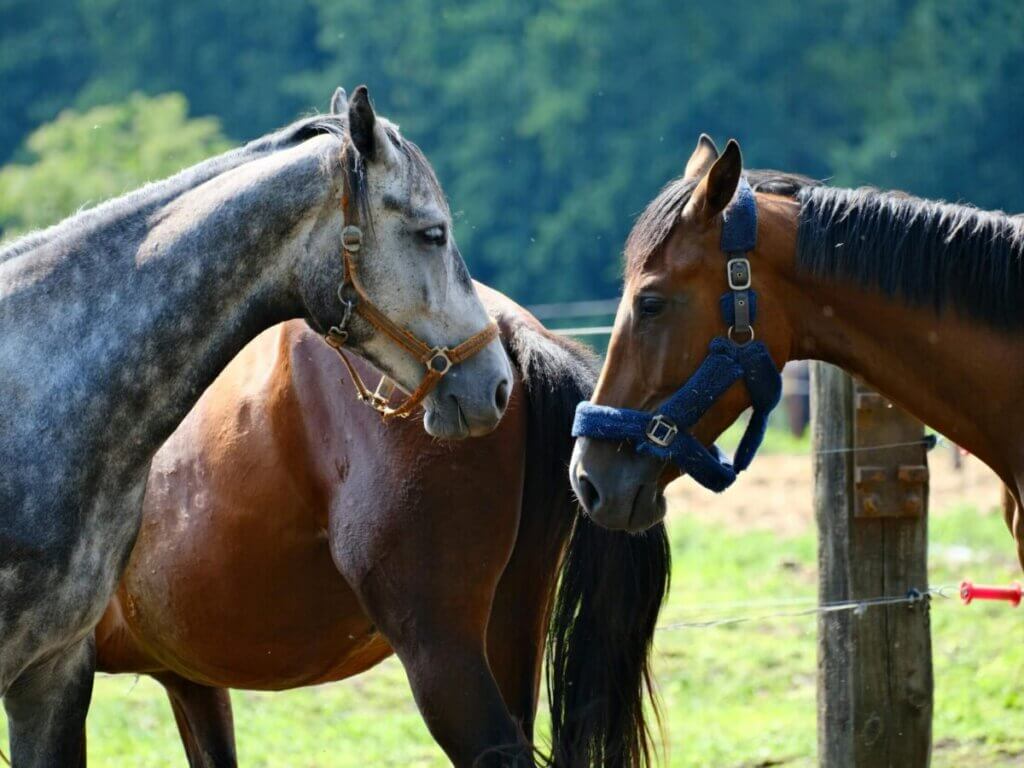
Even though horses do not cry emotional tears, research shows they can experience something very close to grief.
A study published in Applied Animal Behaviour Science, based on data from 325 horses that had lost a companion, found that most showed measurable behavioral changes afterward. The most common signs within the first 24 hours were increased vocalization (68%), changes in movement (67%), and increased arousal (58%).
Horses that had witnessed the death directly were more likely to show changes in how much they ate and slept. Interestingly, horses that were allowed to spend time with the deceased companion’s body appeared to recover more smoothly over the following months, suggesting they may need that time to process the loss.
The strength of the response also depended on the relationship. Horses that had formed close, affectionate bonds showed greater behavioral changes than those that had simply coexisted.
You can find the whole research here
So what can you do?
If your horse is left alone, the best option is always another horse. They are herd animals, and nothing truly replaces their own kind. If that is not possible, donkeys or even goats have been known to offer some companionship, but another horse remains the most natural solution.
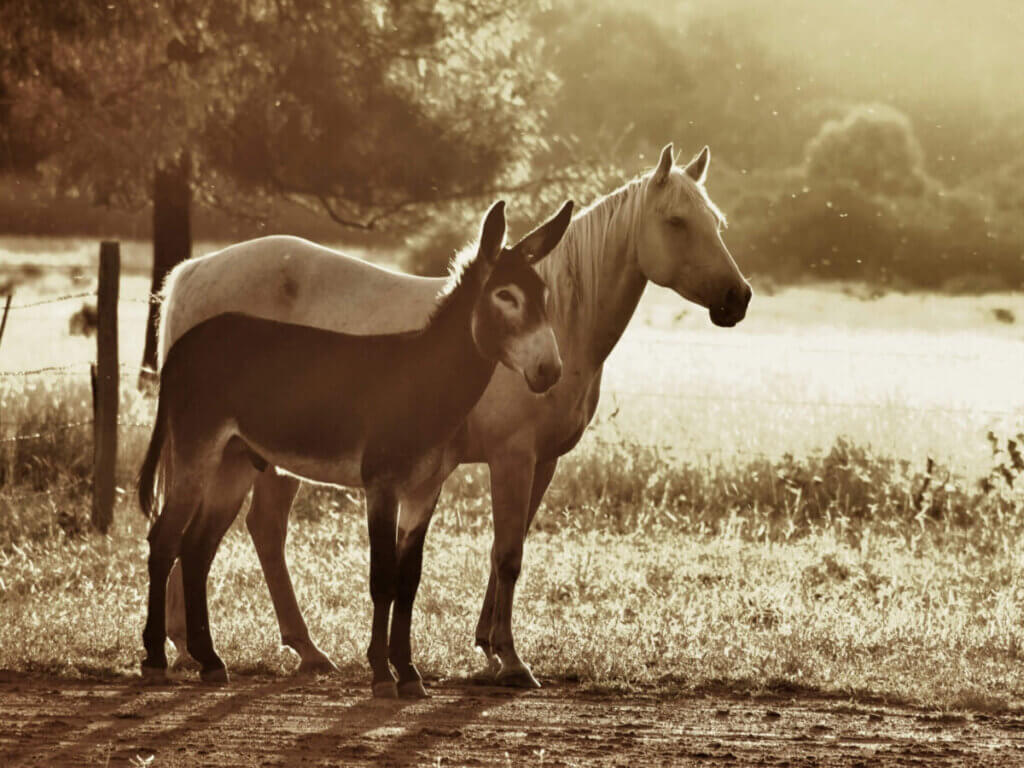
You can also help by spending more time with them, keeping sessions lighter and more enjoyable, and allowing them to move through it at their own pace. The most important thing is not to rush the process.
5. So What About Those Tears?
Let’s go back to the original question.
Do horses cry?
Yes, but not for emotional reasons.
Horses produce tears to protect and clean their eyes.
When you see visible tears running down a horse’s face, it usually means something is irritating the eye or the tear duct is blocked. A blocked nasolacrimal duct is one of the most common reasons horses appear to be constantly tearing, and it can be resolved with a simple veterinary flush.
Horses can also have seasonal allergies. Dust in barns can be surprisingly high. Flies landing near the eyes are another frequent trigger. These all increase tear production without any emotional component.
What we can say for certain: horse tears are primarily a physical response, not an emotional one.
Daily Eye Care Matters
There is a simple habit worth keeping in mind.
During daily grooming, gently clean any dried tear residue from around the eyes with a clean, damp cloth. Use a separate cloth for each eye to avoid spreading any potential irritants or bacteria.
We do not enjoy starting the day with irritated eyes. And it is the same for them.
When to Be Concerned: Horse Tears as a Warning Sign
While normal tearing is harmless, there are times when horse tears can signal a real problem.
Contact your veterinarian promptly if you notice continuous or excessive tearing over multiple days, any cloudiness or swelling around the eye, thick or discolored discharge, squinting or sensitivity to light, or behavioral changes like head-shaking or rubbing the eye.
These can indicate a corneal injury, conjunctivitis, equine recurrent uveitis, a blocked tear duct, or other conditions that require prompt attention. Eye conditions in horses can progress quickly, so early diagnosis makes a meaningful difference.
Let’s Walk Off
So, do horses cry like humans?
No, not emotionally.
But they do feel. Deeply. And their eyes, together with their posture, movement, and behavior, can tell you a remarkable amount about what is going on inside them.
Those tears you see are not sadness. They are just part of a natural system that keeps their eyes healthy.
FAQs About Horse Tears and Emotions
Do horses cry when they are sad?
No. Horses do not produce emotional tears the way humans do. If you see tears, it is almost always due to dust, wind, a blocked tear duct, or eye irritation, not sadness.
Can horses feel sadness or grief?
Yes. Research confirms that horses show measurable behavioral changes after losing a companion, including reduced appetite, changes in sleep, increased vocalization, and social withdrawal.
How can I tell how my horse feels?
Look at the whole picture. Horse eye meaning gives clues, but always consider body language, ear position, posture, and movement together. Eyes alone are never the full story.
Why do horses have watery eyes?
Tears protect and lubricate the eyes, flushing away dust, pollen, and irritants. If tears overflow down the face, it usually means the eye is irritated or the tear duct is blocked. Both are physical causes, not emotional ones.
When should I worry about my horse’s eyes?
Contact a vet if you notice continuous tearing, cloudiness, swelling, thick or colored discharge, squinting, or sensitivity to light. Eye conditions can progress quickly; early attention is always better.
Can horses live alone after losing a companion?
They can, but it is not ideal. Horses are herd animals and thrive with equine companionship. If another horse is not possible, animals like donkeys or goats can provide some comfort, but another horse is always the most natural solution.

Leave a Reply