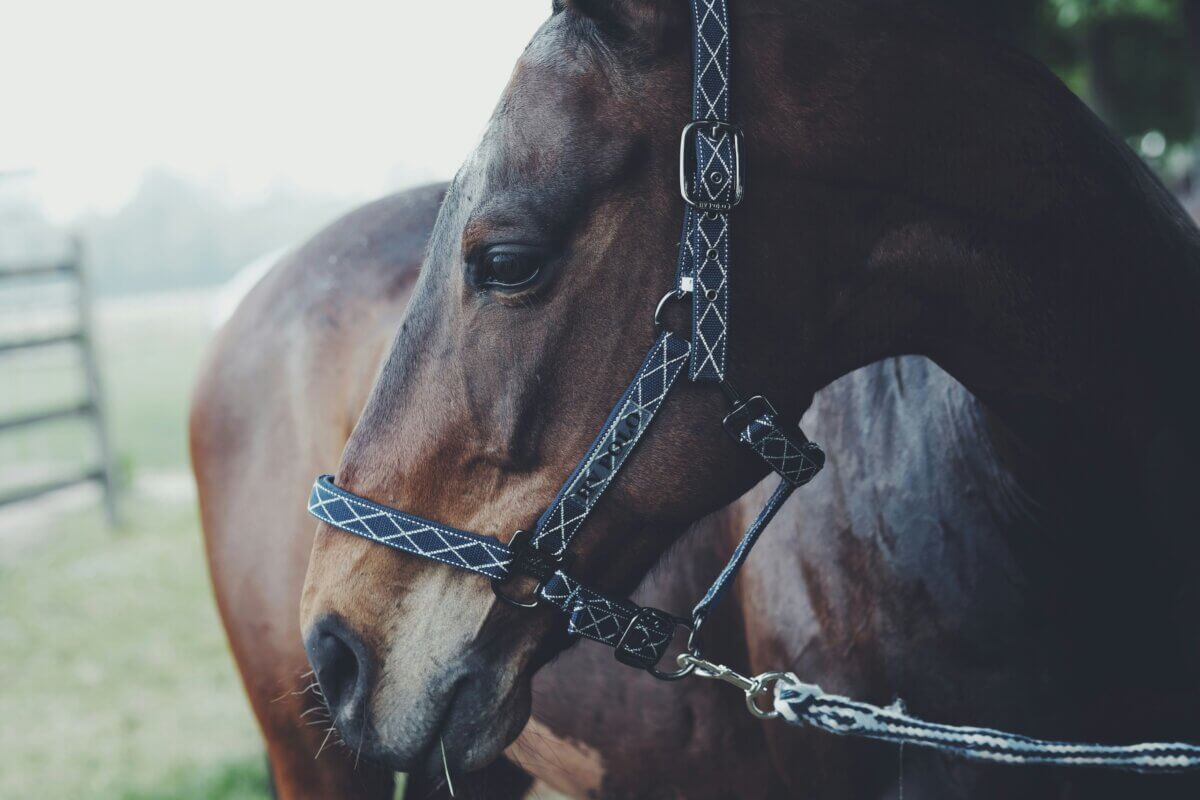
Images used in this post are for illustrative purposes only and do not represent the exact products mentioned.
Disclosure: This post contains affiliate links. If you purchase through these links, I may earn a small commission at no extra cost to you.
A horse halter is the piece of horse equipment you probably touch more than any other. It goes on before every ride, every grooming session, every trip to the paddock. Yet most riders never stop to ask if they have the right horse halter for the job.
So let’s fix that. What a horse halter is actually for. The difference between a horse rope halter and breakaway horse halters. Which material fits your horse. How to size one correctly, and how to put it on without a fight.
In This Article:
- What a horse halter is for, and how to use one day to day
- Fleece Horse Halters, for more comfort
- Horse rope halter vs. breakaway horse halters: what actually separates them
- Leather horse halter vs. nylon: which material fits your situation
- Specialty options: Mini horse halter, draft horse halter, custom horse halters, personalized horse halter, horse show halter
- How to size a horse halter correctly, plus how to put one on
What Is a Horse Halter For?
A horse halter fits over your horse’s head and gives you something to attach a lead rope to. It is not the same as a bridle, which is used while riding or driving.
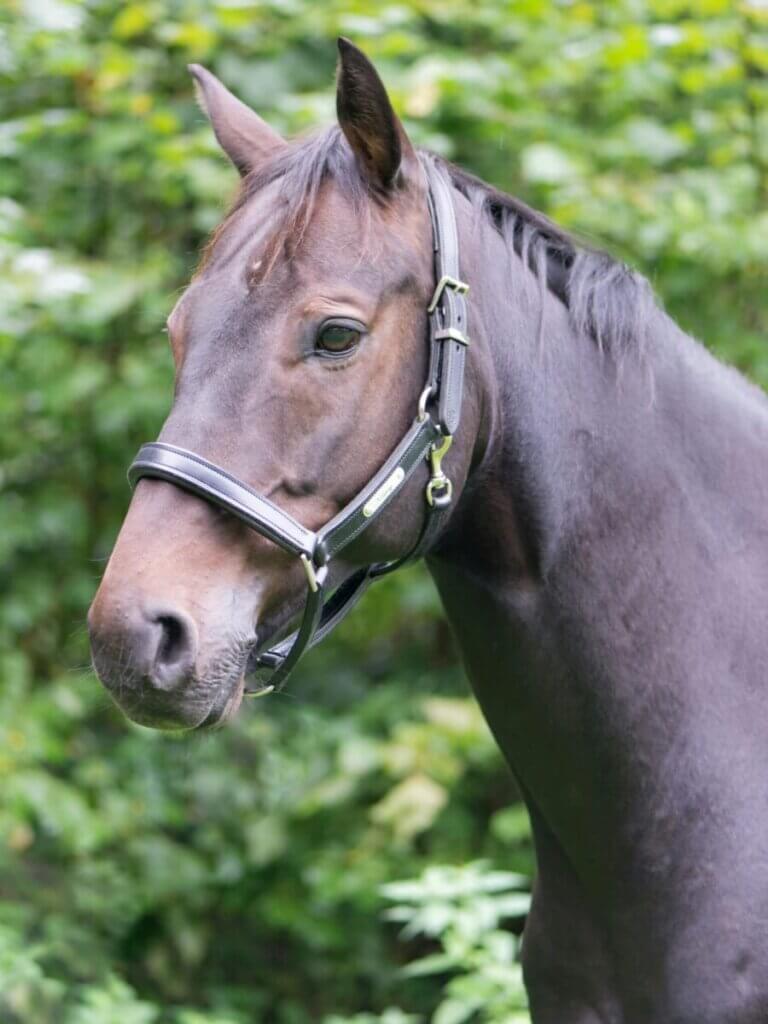
Every horse halter has three main parts. The noseband sits across the bridge of the nose. The headpiece sits behind the ears. The side pieces, called cheekpieces, connect the two and hold the halter in shape.
You will use a horse halter constantly: catching your horse in the field, leading to the crossties, tying for grooming, loading in a trailer. That is why choosing the right one actually matters, instead of grabbing whatever is on the hook.
If your horse is tricky to catch in the first place, that is a separate skill worth working on before you even get to the haltering step. How to Catch a Horse
| Type | Best For | Not Recommended For | View on Amazon |
|---|---|---|---|
| Horse Rope Halter | Groundwork, training, precise cues through pressure points | Tying unsupervised, turnout | View on Amazon |
| Break Away Horse Halters | Turnout, trailering, unsupervised situations | Precise training cues | View on Amazon |
| Leather Horse Halter | Showring, in-hand classes, natural breakaway safety | Daily rough use without upkeep | View on Amazon |
| Fleece Horse Halter | Horses with sensitive skin | Daily rough use without upkeep | View on Amazon (Only Fleece Set) |
Fleece-Lined Horse Halters: Actually More Comfortable?
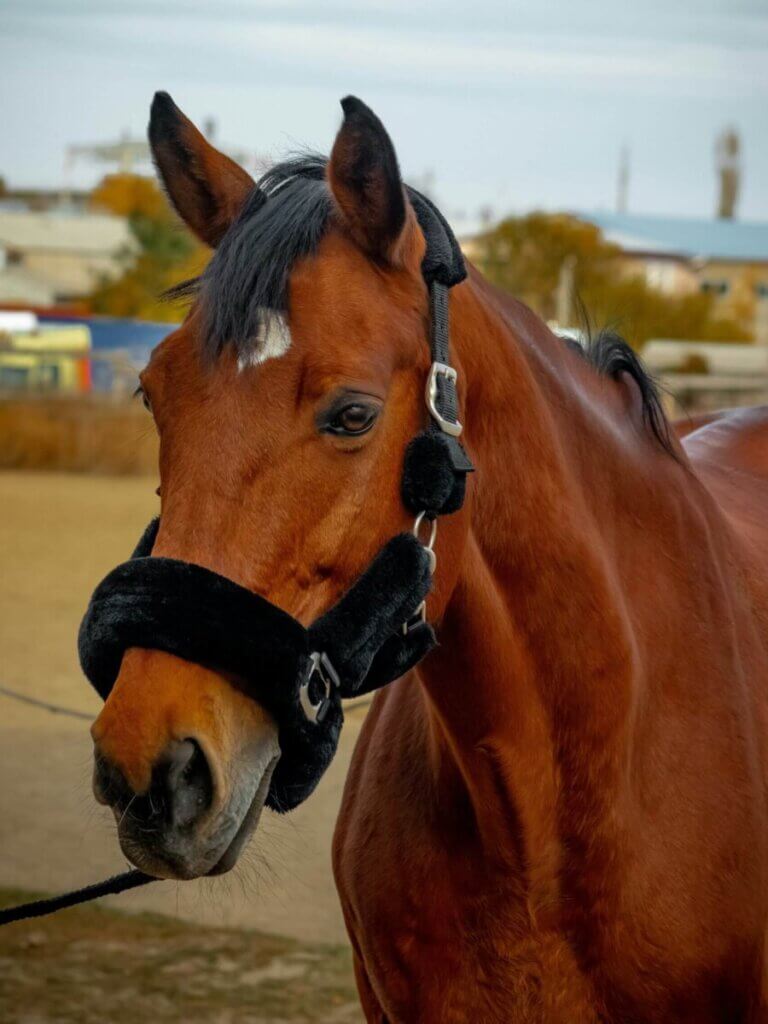
Fleece-lined halters cushion the pressure points on the noseband and poll, helping prevent rubbing and hair loss, and are popular for sensitive-skinned horses or long stretches in a halter like trailering or grazing — most reviews and manufacturer descriptions back this up.
The trade-off is upkeep: the same soft, plush texture that makes fleece comfortable also soaks up dust, mud, and sweat fast, so a halter that looks great new can turn dingy within weeks without regular washing.
Horse Rope Halter vs. Break Away Horse Halters
This is the comparison most new riders ask about, and the answer depends on what you are doing.
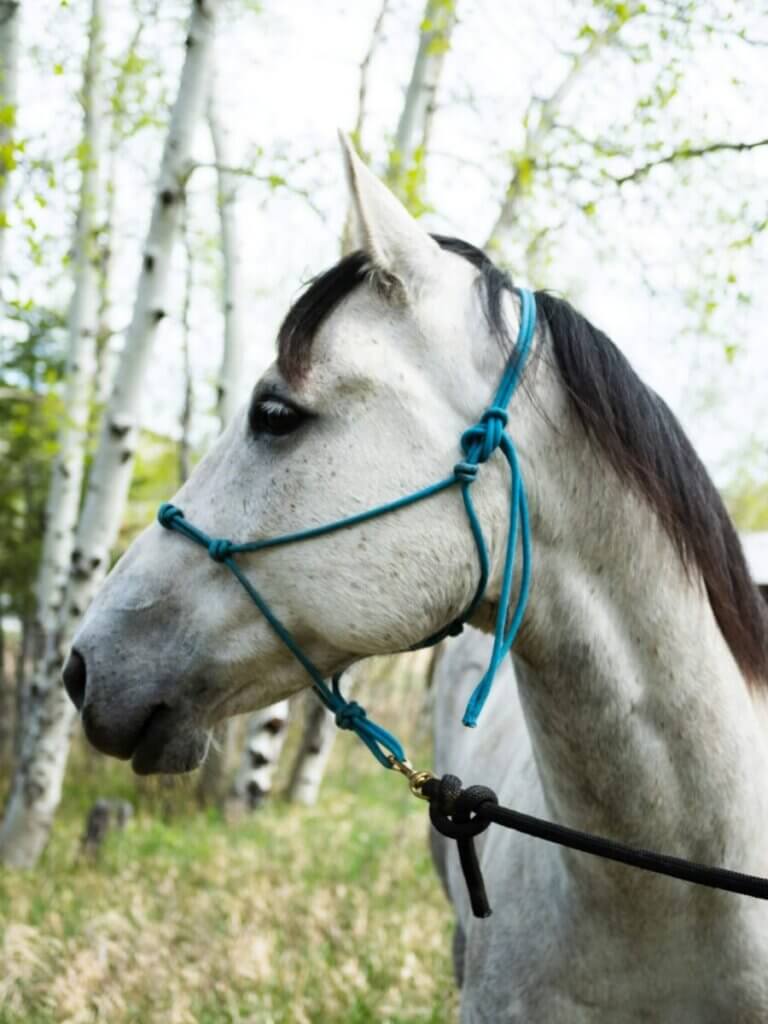
A horse rope halter is a single length of rope tied into knots that create pressure points. That makes it excellent for training, since your horse feels a clear, specific cue. It is not built for tying or turnout, and rope can cause a nasty rope burn if a horse pulls back hard.
How to put on a rope horse halter properly
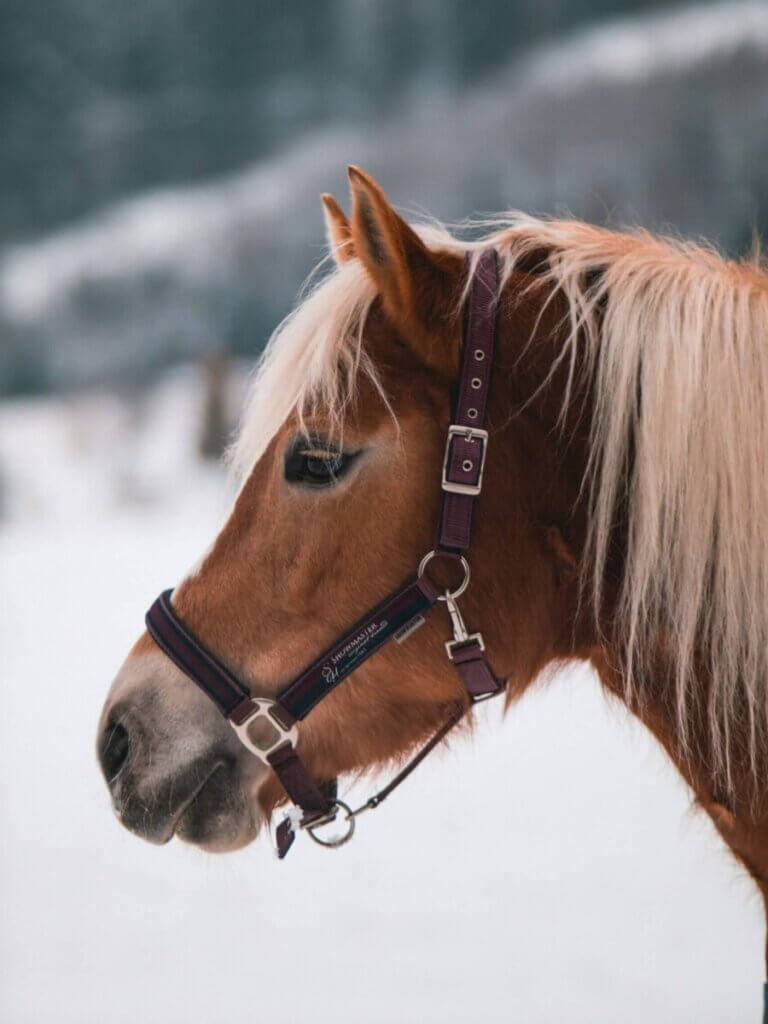
Breakaway horse halters solve a different problem. They are built with a leather crownpiece or a breakaway tab that snaps under real pressure, so if your horse gets caught on something during turnout or trailering, the halter gives way instead of your horse’s neck.
Leather Horse Halter vs. Nylon: Picking a Material
Neither material is “better” across the board. Each one earns its place for a different job.
A leather horse halter has a classic, polished look that many riders simply prefer, especially for showring and everyday barn wear. With regular cleaning and conditioning, leather actually holds up longer than nylon over time, since conditioning keeps the fibers supple instead of letting them dry out and crack. Skip that upkeep, though, and it will wear out faster than nylon would.
Nylon is low-maintenance and budget-friendly, making it a practical everyday choice for many barns. A leather horse halter is also frequently available in a personalized horse halter option, with a name plate or engraved detail, which is part of why it stays a popular gift and show-ring pick.
Specialty Horse Halters Worth Knowing About
Beyond the basic types, there are a few horse halter categories built for specific horses or specific moments.
| Halter | Best For | View on Amazon |
|---|---|---|
| Mini Horse Halter | Miniature horses and small ponies, smaller hardware and shorter straps | View on Amazon |
| Draft Horse Halter | Draft breeds like Clydesdales, Percherons, and Belgians, built with wider straps | View on Amazon |
| Personalized Horse Halter | Adding a name plate or embroidered detail, popular for barn use and gifts | View on Amazon |
How to Size a Horse Halter Correctly
A poorly sized horse halter causes rubbing, slips out of place, or lets a hoof get caught in a loose throatlatch. None of that is worth saving two minutes on.
| Size | Approx. Height | Approx. Nose Measurement | View on Amazon |
|---|---|---|---|
| XXS Pony | 8.3-9.8 hh | 18-22 in | View on Amazon |
| XS Pony | 9.8-11.3 hh | 19-23 in | View on Amazon |
| S Pony | 11.3-12.8 hh | 20-24 in | View on Amazon |
| Pony | 12.8–14.3 hh | 22.5–26.5 in | View on Amazon |
| Cob | 14.3–15.8 hh | 24.5-28.5 in | View on Amazon |
| Horse / Full | 15.8–17.3 hh | 26.5-30.5 in | View on Amazon |
| XFull | 17.3-18.8 hh | 28.5-32.5 in | View on Amazon |
Dimensions may vary for each product; please always check the exact product measurements.
To measure your own horse, wrap a soft tape around the widest part of the nose, about two finger-widths below the cheekbone. Then measure from the corner of the mouth up and over the poll to the other corner. If your horse sits right on the border between two sizes, size up rather than down.
How to Put On a Horse Halter & What Is A Right Fit?
Once you have the right size and type, putting it on should be quick and low-stress for both of you.
- Approach from the left side, near the shoulder, and drape the lead rope over your horse’s neck first
- Hold the halter open with the noseband in one hand and the headpiece in the other
- Slide the noseband on gently, then bring the headpiece up and over the poll behind the ears
- Buckle or snap the crownpiece, leaving about two finger-widths of space under the jaw
- Check that the noseband sits flat and does not pinch near the cheekbone
Why a Regular Halter Is Not Meant for Lunging
A common mistake is clipping a lunge line straight onto a regular horse halter and calling it groundwork. A basic halter does not distribute pressure well enough for that kind of work, and it can slip sideways or rub under repeated tension. If you are setting up for lunging or other groundwork, it is worth looking at proper training equipment built for that job. I cover several options, including lunging cavessons and training halters, in my horse training equipment guide.
You will also want a solid lead rope to match whatever halter you land on. I break down length, material, and safe handling in my horse lead rope guide.
Horse Halter Dos and Don’ts
Don’ts
- Do not leave a rope halter on a horse unsupervised
- Do not leave a standard nylon halter on during turnout unless it is a breakaway style
- Do not tie a horse with a lead attached to the bit or reins instead of a halter
- Do not ignore a fraying strap or a breakaway tab that has gone stiff with age
- Do not buy by breed name alone; always measure your own horse
Dos
- Do match the halter type to the specific activity, not just habit
- Do check hardware regularly for rust or cracking
- Do size up if your horse sits on the border of two sizes
- Do keep a leather horse halter conditioned if you own one
- Do keep a properly fitted breakaway halter on hand for trailering
FAQ
What is the difference between a horse rope halter and a regular halter?
A horse rope halter is a single length of rope tied into pressure-point knots, used for training and precise cues. A regular nylon or leather halter is flatter, more evenly padded, and better suited to everyday handling and tying.
Are breakaway horse halters safe for turnout?
Yes, that is exactly what they are designed for. The crownpiece or a breakaway tab releases under real pressure, reducing the risk of injury if your horse gets caught on something while unsupervised.
How do I know what size horse halter to buy?
Measure your horse’s nose circumference and the distance from mouth corner to mouth corner over the poll, then compare it to a sizing chart. If your horse falls between two sizes, size up.
Can I use a leather horse halter for turnout?
Leather does break under extreme pressure, which gives it a natural safety advantage, but it requires more upkeep than nylon and is not always sold as a dedicated breakaway style.
Let’s Halter Off
A horse halter looks simple, but the type, material, and fit you choose actually change how safe and how comfortable your horse is every single day. Measure before you buy. Match the halter to the job. And once it fits right, haltering becomes the easiest part of your routine instead of a daily struggle.
Sources
- How to Choose the Right Horse Halter — SmartPak Equine
- A Buyer’s Guide to Halters — Equus Magazine
- Horse Halter Size Guide from A to Z — Smartwag

Leave a Reply