
Disclaimer: Informational purposes only and does not constitute veterinary advice.
Can horses eat tomatoes? Okay, grab a snack, let’s see four veggies that should and shouldn’t give horses. Before, you say “tomatoes are fruits.” That’s for another conversation for another day and another blog; not the point right now.
Tomatoes? That’s one of the NOs. And we’re going to talk about why, plus cover a few other vegetables that live in the grey zone of the horse world: asparagus, broccoli, and lettuce. Some are sketchy, some are fine, and one is genuinely dangerous. Let’s get into it.
Why Can’t Horses Just Eat Everything Green?
Here’s the thing about horses that trips up even people who’ve been around them for years: just because they graze all day doesn’t mean they can eat anything that grows out of the ground. Their digestive system is built for one thing: fibrous forage. Mostly grass, hay, more grass, more hay.
Throw something unexpected into the mix, and their gut doesn’t always know what to do with it. We’re talking gas buildup, fermentation gone wrong, toxins the liver can’t handle fast enough, and in the worst cases, colic. In the equestrian world, colic is basically the problem no one wants to deal with.
Can Horses Eat Tomatoes? Nope — And Here’s Why
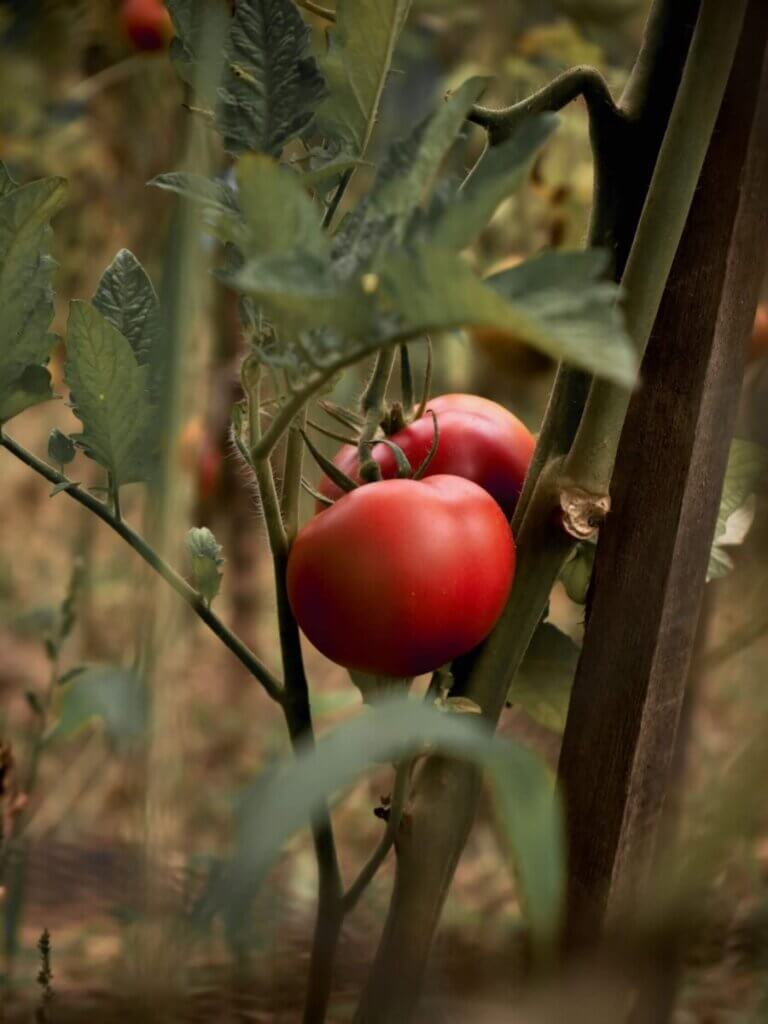
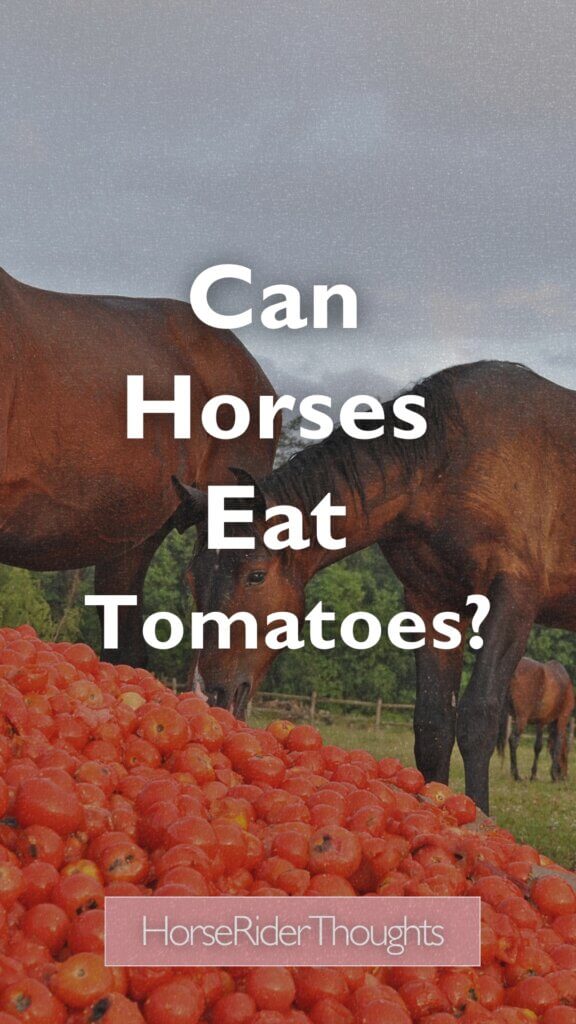
Can horses eat tomatoes? No. Not ripe ones, not green ones, not the leaves, not the stems, not the plant. Zero parts of the tomato are horse-safe. Tomatoes belong to the nightshade family, which also happens to include some of the most toxic plants known to horses. Deadly nightshade is in this family. That alone should tell you everything.
Tomatoes contain three toxic compounds that each cause harm in different ways:
- Solanine — a glycoalkaloid found mainly in the green parts of the plant (leaves, stems, unripe fruit). It disrupts the digestive tract and nervous system.
- Tomatine — found in both the green parts AND the ripe fruit. It causes gastric distress and, in larger amounts, can lead to serious organ damage.
- Atropine — a tropane alkaloid that slows gut function, which is genuinely dangerous for a horse whose whole system depends on things moving through properly.
According to a peer-reviewed veterinary study published in Ecronicon Veterinary Science, horses generally avoid eating tomato plants naturally because they don’t taste great, but if they do get into one, or if someone offers them a tomato not knowing it’s dangerous, the effects can escalate quickly. They naturally avoid plants that are toxic to them. That’s pretty amazing, and fortunate. However, if we mix it into the hay, they won’t notice.
So What Actually Happens If a Horse Eats a Tomato?
Early signs usually hit the digestive system first:
- Colic — abdominal pain, pawing, looking at the belly
- Diarrhea — as the gut tries to push the toxins out
- Reduced saliva production, which makes everything worse because horses need saliva to digest
- Slowed heart rate
- Difficulty breathing
- Lethargy and weakness
In serious cases, especially if green parts of the plant were eaten, symptoms can progress to neurological effects: loss of coordination, tremors, dilated pupils. It can get scary, fast.
Can Horses Eat Asparagus? This One’s Actually Complicated
Okay, so here’s where we need to get a little nerdy for a second because the asparagus situation is genuinely confusing, and a lot of sources get it wrong.
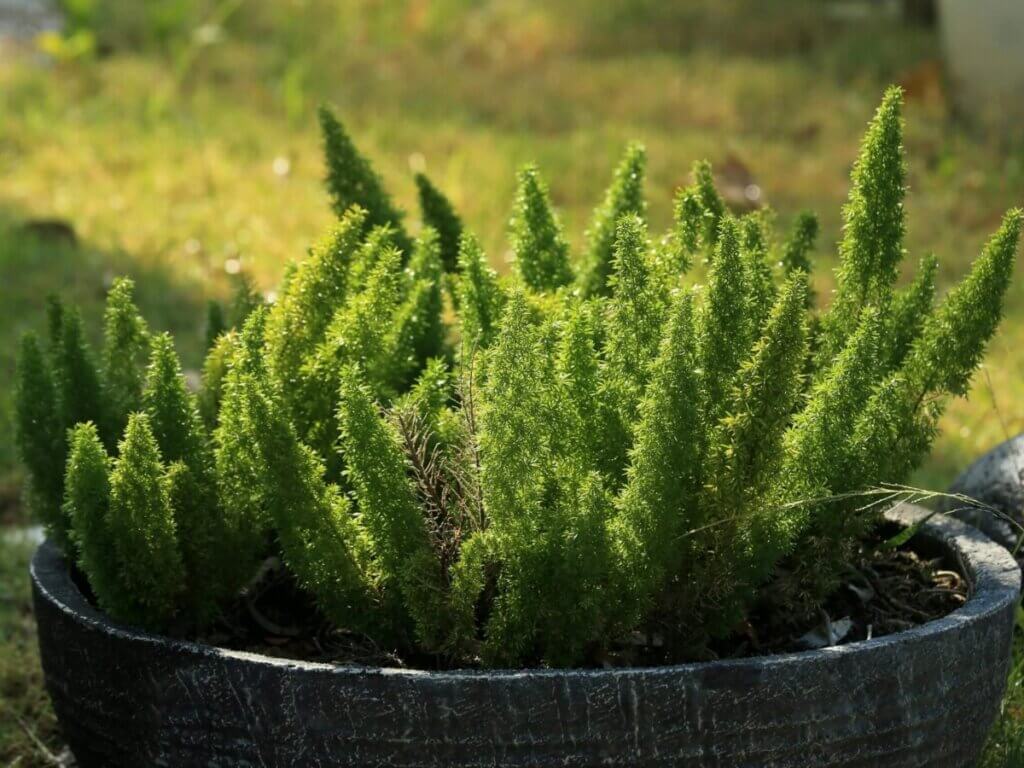
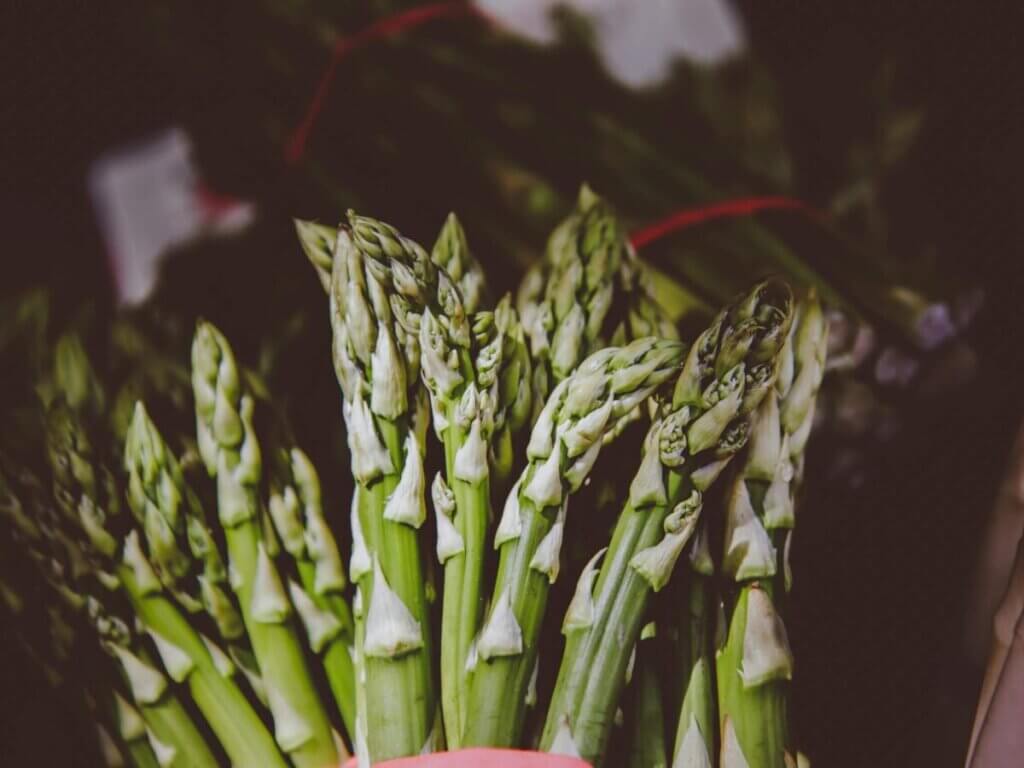
You’ll see articles saying “asparagus is on the ASPCA toxic plant list for horses!” And that’s technically true, but there’s a catch. The ASPCA lists Asparagus densiflorus as toxic. That’s asparagus fern, the feathery ornamental houseplant. Not the vegetable you find in the grocery store. The edible asparagus (Asparagus officinalis — the stuff you eat at dinner) is a different species entirely.
So the actual situation with edible asparagus is more nuanced:
The Reasons to Be Cautious
- Raw asparagus stalks are tough and fibrous
- The high sulphur content causes gassiness, which is uncomfortable and can contribute to digestive upset
- Asparagus fern (the ornamental variety) IS toxic — it contains saponins and should never be anywhere near your horse
- Asparagus crowns (the root system) are also best avoided
- Because the exact toxic compounds in the plant aren’t fully understood, some equine welfare organizations still recommend skipping it entirely.
The Case For (Very Occasional) Edible Asparagus
Edible asparagus does contain genuinely good nutrients, vitamins A, C, and K, folate, potassium, and fiber. Some horse owners and nutrition databases do include it as an occasional treat ingredient. The key is: only the edible spears, never the ornamental fern, lightly cooked and chopped, in tiny amounts, and never raw whole stalks.
My honest take? The grey area isn’t worth the stress. There are so many clearly safe treat options that fighting through the asparagus confusion just doesn’t make sense.
Let’s give some berries instead
Can Horses Eat Broccoli? Yes — But Watch the Gas
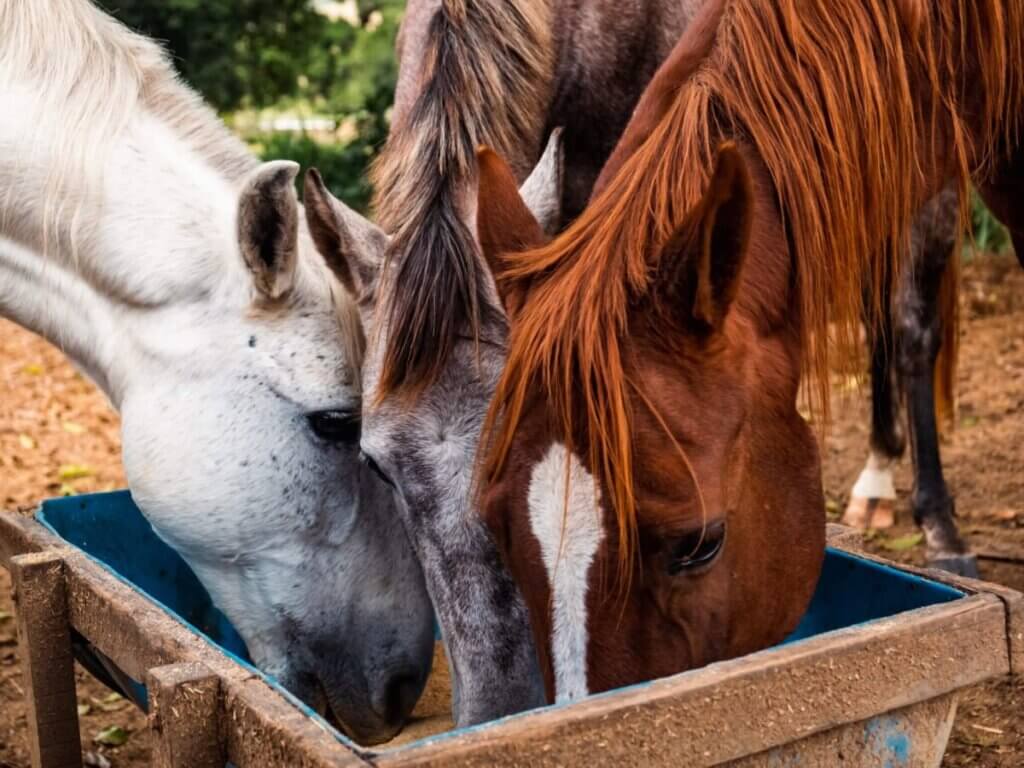
Broccoli isn’t toxic to horses; that’s the good news. The less great news is that broccoli belongs to the cruciferous vegetable family, and cruciferous vegetables are famous for one thing: gas. A lot of gas.
For humans, a bit of bloating after eating broccoli is just mildly annoying. For horses, gas buildup in the gut is a direct pathway to colic. The specific culprit is a sugar called raffinose, which cruciferous vegetables contain and which ferments in the hindgut, producing gas that horses can’t efficiently release.
What Broccoli Does Bring to the Table
When given in very small amounts to a healthy horse with no history of digestive issues, broccoli does offer some real benefits:
- Vitamins C, K, and A — immune support, bone health, vision
- Antioxidants — research has looked at cruciferous vegetables as a source of antioxidants that help combat oxidative stress, particularly in performance horses
- Calcium and iron — mineral support
- Broccoli leaves are actually more nutrient-dense than the florets, and many horses enjoy them.
How Much Is Too Much?
Very little, and not often. A small handful of florets or a few leaves, once or twice a week at the absolute most. If your horse has any history of colic, a sensitive stomach, or digestive issues of any kind, broccoli comes off the list completely. It’s just not worth the risk when there are better options out there.
Never pair broccoli with other gassy foods in the same session, and always introduce it slowly the first time. Again, I think it isn’t worth the stress; let’s stick with other, much safer options.
Can Horses Eat Lettuce? Yes — It’s Just Not Very Exciting
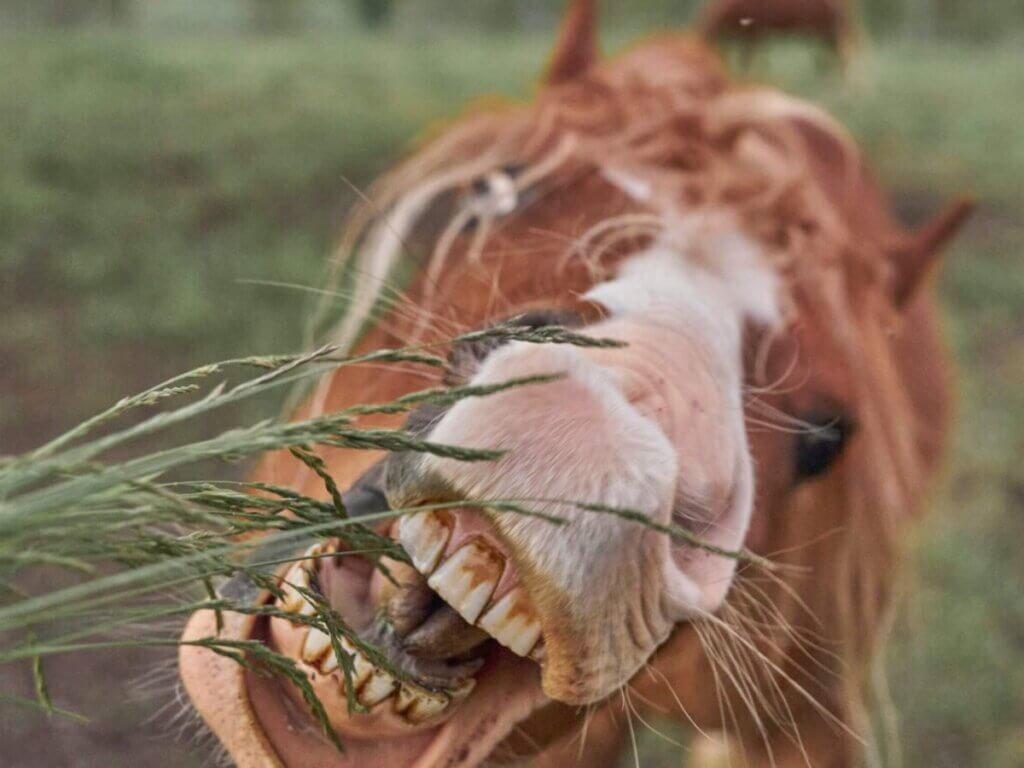
Out of everything in this article, lettuce is easily the most chill answer. Yes, horses can eat it. It’s safe, non-toxic, causes no known digestive problems in reasonable amounts, and most horses seem to enjoy the crunch, especially on a warm day when something refreshing sounds good.
The catch is just that lettuce doesn’t actually do very much. Most varieties are over 90% water; iceberg comes in at around 96%. That high water content is genuinely useful for hydration on hot days, but in terms of vitamins and minerals? Minimal. Romaine offers a bit more in terms of vitamins A and K than iceberg, but we’re not talking about a nutrition powerhouse here.
Think of it like this: lettuce is the rice cake of the horse treat world. Totally fine, a nice snack, won’t hurt anything, but it’s not doing heavy lifting.
But here are some way more enjoyable summer treats
How Much Can a Horse Have?
A few leaves as an occasional snack is fine. No strict, dangerous upper limit like there is with sugary foods. Just don’t let it replace the treat budget that could go toward more nutritious options. Romaine over iceberg if you have the choice, and always wash it well first.
The Absolute Never List
Since we’re here talking about what horses can and can’t eat, here’s the quick-reference list of vegetables that should never make it anywhere near your horse:
- Tomatoes — toxic, full stop
- Onions — damage red blood cells, can cause anemia
- Potatoes — also in the nightshade family, also contain solanine
- Rhubarb — toxic to the digestive and urinary systems
- Avocado — contains persin, toxic to horses
- Cauliflower and cabbage — even higher gas-producers than broccoli
- Asparagus fern (the ornamental plant) — contains saponins, genuinely toxic
When in doubt, leave it out. There are so many great safe options; your horse really doesn’t need the sketchy ones.
Let’s Walk Off
Can horses eat tomatoes? Absolutely not. Asparagus? Skip it, not worth the confusion. Broccoli? Occasionally, carefully, with a horse you know has a solid stomach. Lettuce? Go for it.
The rule that ties it all together is the same one that shows up in every horse nutrition conversation: know your horse, introduce slowly, watch for reactions, and when something feels uncertain, ask your vet.
FAQs
Can horses eat tomatoes if they’re fully ripe?
No. Even fully ripe red tomatoes contain tomatine, which is toxic. The green parts have the highest concentrations of both solanine and tomatine, but the ripe fruit isn’t safe either. Keep all parts of the tomato plant away from your horse.
Is it the asparagus vegetable or the asparagus fern that’s on the ASPCA toxic list?
The ASPCA toxic plant list for horses specifically refers to Asparagus densiflorus, the ornamental asparagus fern, not the edible vegetable (Asparagus officinalis). The fern contains toxic saponins. The edible spear is a different species, though caution is still recommended due to digestive concerns.
Can horses eat broccoli leaves?
Yes, broccoli leaves are generally considered safe in small amounts and are more nutrient-dense than the florets. But because broccoli is cruciferous and can cause gas and colic risk, keep portions tiny and watch carefully for any signs of digestive discomfort after feeding.

Leave a Reply